Working outdoors can present challenges at any time of year, but these definitely increase during winter. Especially in the UK when you can suffer biting cold, sharp winds and driving rain all in one day, all squashed into a single, dark, day.
Your choice of workwear is a fundamental part of surviving this meteorological onslaught. Wearing the right clothes from comfortable thermals up to waterproof, wind resistant coats and suitable workboots can be what allows you to work when the weather is at its worst.
To help you find those ‘right clothes’, we've put together this buying guide. Read on to find out what you should be looking for in winter workwear, how to layer effectively and what safety standards matter when it comes to wet, cold conditions.
What Makes Good Winter Workwear?
There are some features of workwear that make it a good choice all year round, but in winter the demands on your clothing choices are a lot higher. Here are some of the things you should be looking for to get the best from your workwear:
Warmth Without Restricting MovementOne of the most difficult balances to strike with winter workers is keeping warm without creating so much bulk you’re left uncomfortable doing physical activity. This rules out endlessly layering items, however lightweight they are, or simply sticking on your biggest, heaviest but warmest coat and being done with it.
Careful layering will address this, which is why we've dedicated a whole section to it below. But make sure to prioritise flexible and stretchy fabrics to maximise freedom of movement.
WaterproofingIf you work outside in a UK winter, keeping dry is a main priority and your winter workwear is an important part of that.
In most cases, waterproof protection will come from an outer layer like a coat. Avoid lightweight coats and jackets that are ‘water resistant’ as these can only cope with light showers. Instead, look for full ‘waterproof’ options that can repel water and give you better protection evem in heavy rainfall or snow.
Added features like sealed seams bring further protection, as they stop water seeping through weak points like seams.
Wind ResistanceKeeping warm in a UK winter isn’t just about staying dry - it’s about enduring sharp winds too.
Wind resistant clothes are made from densely-woven fabric that prevent cold air from touching your skin, while also keeping your body heat in. They’re a more lightweight and flexible option for windy but dry days, to stay warm without too much bulk.
DurabilityDurability is a big concern with any type of workwear, but in winter it’s even more pressing. Wet weather means more mud, and more mud means more frequent washing, so you need clothes that can handle the demands of daily work AND regular laundry cycles.
As well as robust, polyester blend fabrics, look out for features like reinforced seams, knees and elbows - anywhere friction will be highly concentrated. Some clothing can even offer abrasion resistance due to its heavy weave or composition, and that is another great call for winter.
Safety & VisibilityLack of sunlight in the winter months doesn't just increase the cold and sink your mood - it literally makes you harder to see too. Particularly during darker mornings and evenings. This widens the range of workplaces that benefit from hi-vis clothing even when it’s not needed in summer.
If your workplace requires hi-vis workwear to meet health and safety regulations, look for clothes that meet EN ISO safety standards. These items are proven to be reflective and offer contrast at all times. Certain environments also call for you to wear orange clothes rather than the standard yellow, particularly for working on roads and railways.
How to Layer Clothes in Winter
If you really want to stay as warm AND comfortable as possible while working outdoors in winter, then layering is the way to go.
It helps you keep warm while giving you closer control over how bulky your clothing is. Bulky clothes like thick jumpers and heavy coats can limit your range of movement, not to mention feeling really uncomfortable. It's the last thing you need while you're working, and something that can feel even more frustrating when you're working in wet or cold weather.
Careful layering will help you avoid this. Here are our tips to help you build layers that won't restrict your physical movements but do keep you warm.
Base LayersAs base layers sit against your skin, they are the most important to get right. You need clothes that won't rub or cause friction or irritation, so clothes with covered seams are a good choice. As are softer, flexible fabrics which move with your body rather than rub against it.
Moisture-wicking fabrics are something else to look out for as a base layer. These fabrics make sure that if you sweat, it won't stay against your skin to make you feel damp or uncomfortable - instead they wick the moisture away to keep you feeling fresh.
The base is the best layer to look for thermal insulation too, as that traps your body heat to keep you warm.
Mid LayersDepending on how cold your working environment is, it's good to wear another long sleeve layer between your base and your coat.
Layers like fleece jackets, hoodies, sweatshirts and softshell jackets will all help lock in warmth and keep out cold without adding too much bulk. While choosing a mid-layer, remember it will inevitably add some bulk, so look for clothes that aren't too thick, stiff or heavy as these will restrict movement.
Outer LayersYour outer layer is probably the first you think of when it comes to winter workwear, and there are a lot to choose from.
In winter, it's always a good plan to pick an outer layer that offers some form of water resistance for outdoor work - especially in the UK. On drier days, a softshell jacket is a great way to protect against light rain and wind chill without adding too much bulk if you're particularly active. They're also a more flexible and often breathable option for early or late winter days when the day may warm up unexpectedly.
If you move around less, then the heavier weight of an insulated or waterproof coat is worth it for the added warmth. It will keep you protected whatever the weather decides to do and, being an outer layer, you can easily remove it if the sun does decide to shine or you need to move more.
Outer layers don't have to be limited to coats though. If you want to stay fully waterproof, then over trousers are quick and easy to put on, giving you the flexibility of only wearing them when necessary.
Safety Standards Around Winter Workwear
As with all types of workwear, in certain situations your choices also need to be informed by regulations. The Health and Safety Executive (HSE) offers guidance around how to stay safe while working outdoors and how to keep warm, however they don't have any specific regulations on cold working temperatures.
When it comes to clothing specifically, two EN safety standards come into play during winter working, one to protect you against the cold and another to protect you against rain and water.
EN 342: Ensembles and Garments for Protection Against ColdBS EN 342 lays out the standards that clothing must meet to give adequate protection against hypothermia or respiratory failure due to cold environments (those equal to or below -5°C.
It measures via the thermal insulation that clothes provide (higher values mean better insulation) and air permeability (rated 1-3 with 3 being the least permeable).
EN 342 specifies requirements for clothing designed to protect against cold environments. It assesses garments based on thermal insulation and air permeability.
BS EN ISO 24232:2025 Protective Clothing: Protection Against RainBS EN ISO 24232:2025 covers clothing that is designed to protect you against rain, snow and fog. It judges based on water penetration resistance and breathability.
As these standards are actually focused on protecting workers, it includes tests for breathability so that the clothes it certifies are also comfortable for extended wear.
Winter Workwear
What is the best material for winter workwear?
The best material for winter workwear depends on the garment. For base layers, wool is the best natural option as it is soft and locks in heat, while polyester blends are incredibly durable, and are often breathable and moisture-wicking.
For outer layers, heavyweight nylon is among the best due to its durability and resistance to abrasion and tearing. It can also be made with a waterproof coating. Softshell: A flexible, tightly woven fabric that is highly wind-resistant, water-repellent, and highly breathable.
How many layers should you wear in winter?
Generally speaking, aim to wear three layers in winter. If this includes a combination of a thermal base layer and waterproof outerwear, you'll find this makes the perfect compromise of keeping you warm without making your clothing so bulky it feels uncomfortable.
What’s the difference between waterproof and water-resistant?
Essentially, the difference between waterproofing and water-resistance is how much water they can keep out. Water-resistant fabric is made from fabric that is so tightly woven that water struggles to penetrate - it may also have repellent coating that creates the same protection.
Meanwhile, waterproof clothing should be fully sealed against water. As well as a very robust waterproof coating that rain is unable to get through, waterproof clothing will have taped seams and other features that mean there are no weak points in the garment where water can get in.
This level of waterproofing may need more care than water resistance - coatings may need to be reapplied, or you might be restricted on how you wash it.
What winter PPE do I need on-site?
At any time of year, your on-site PPE needs are defined by the type of site you work on. Even across construction sites, different roles and locations will require different choices - some sites require orange rather than yellow hi-vis, while working on a housing construction site might leave you working under cover so waterproof clothing will be less important.
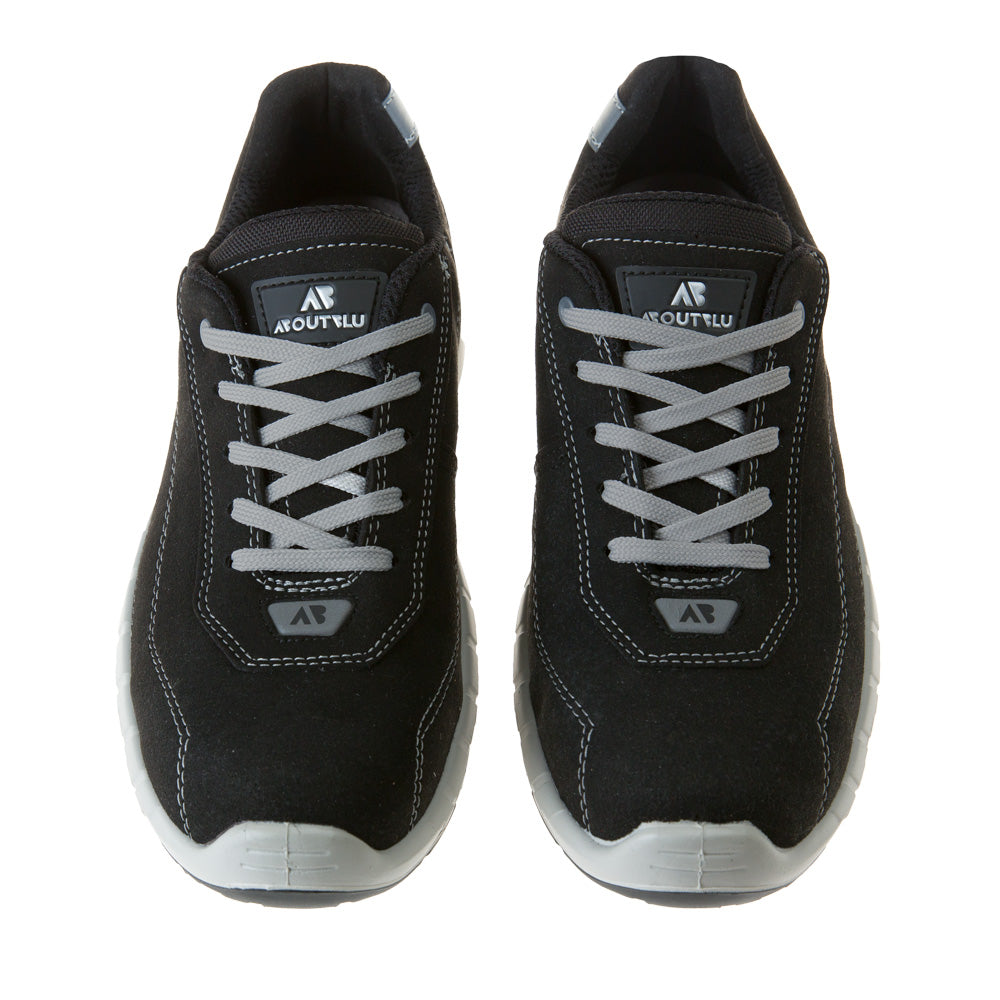
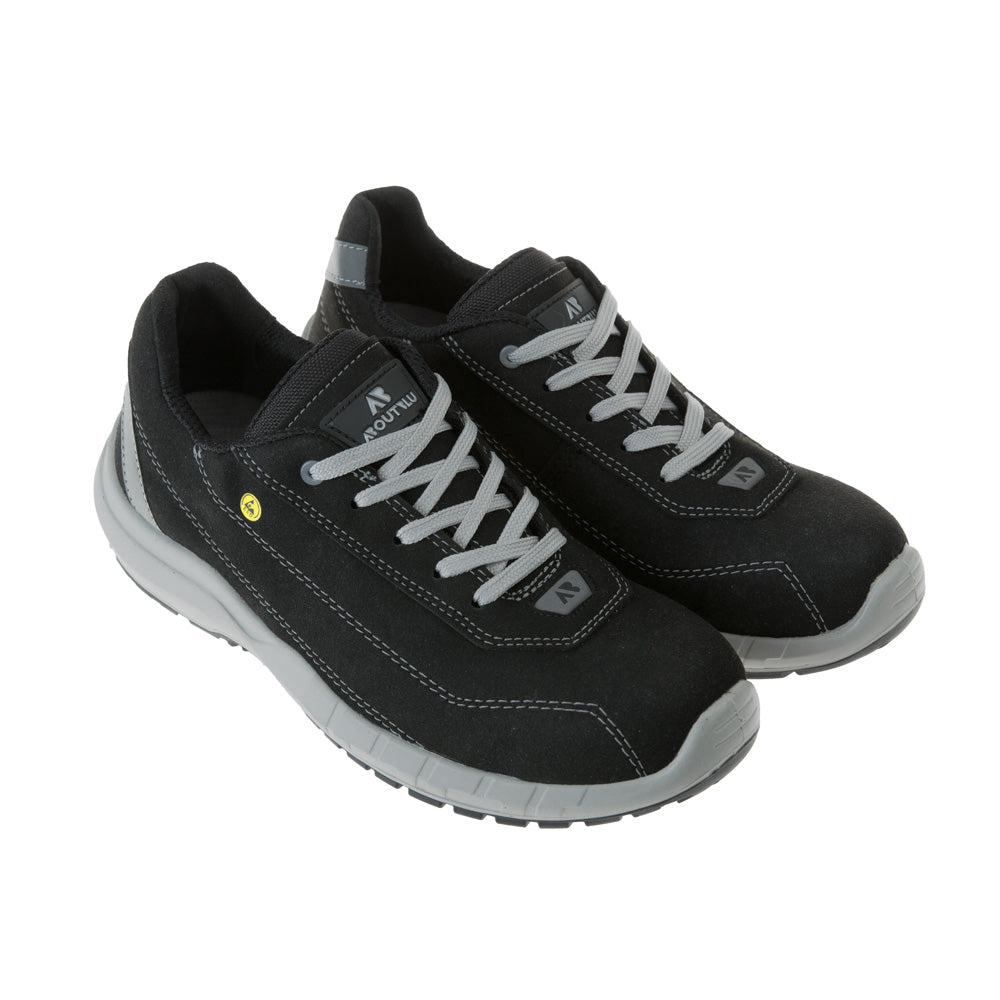
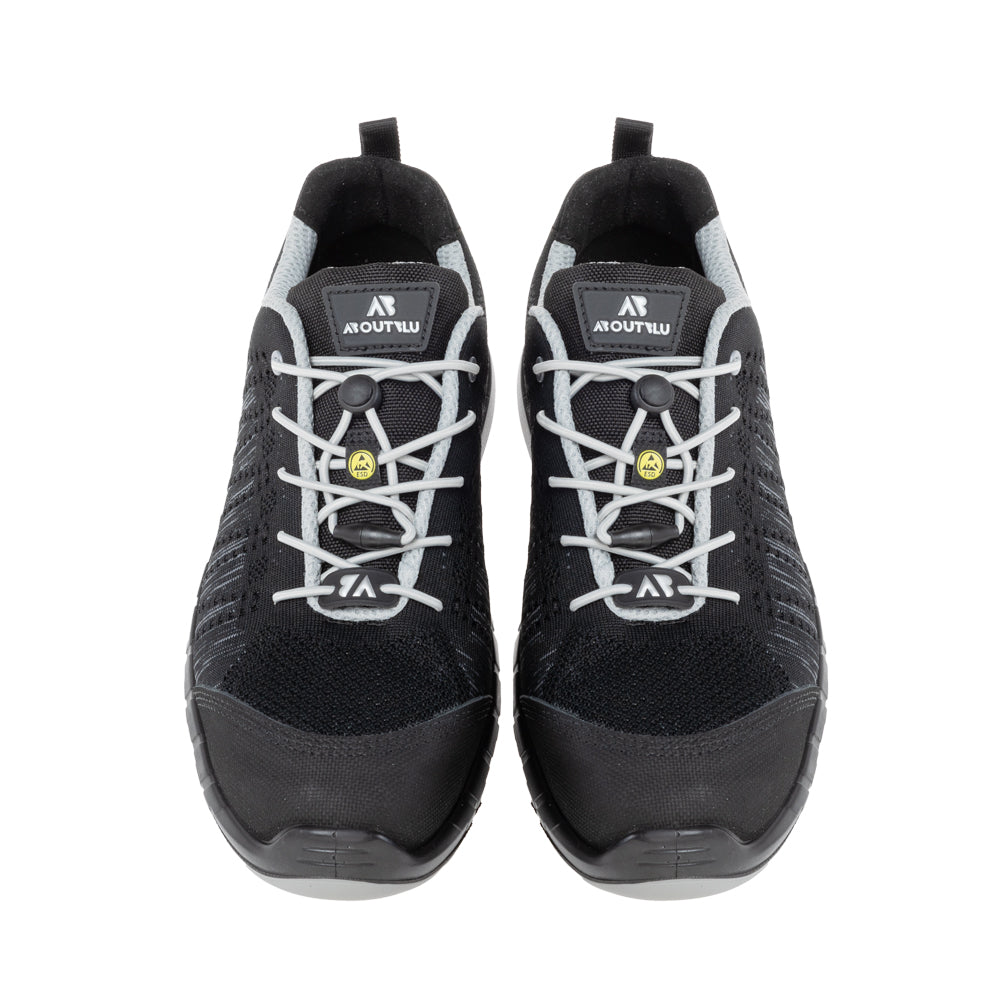
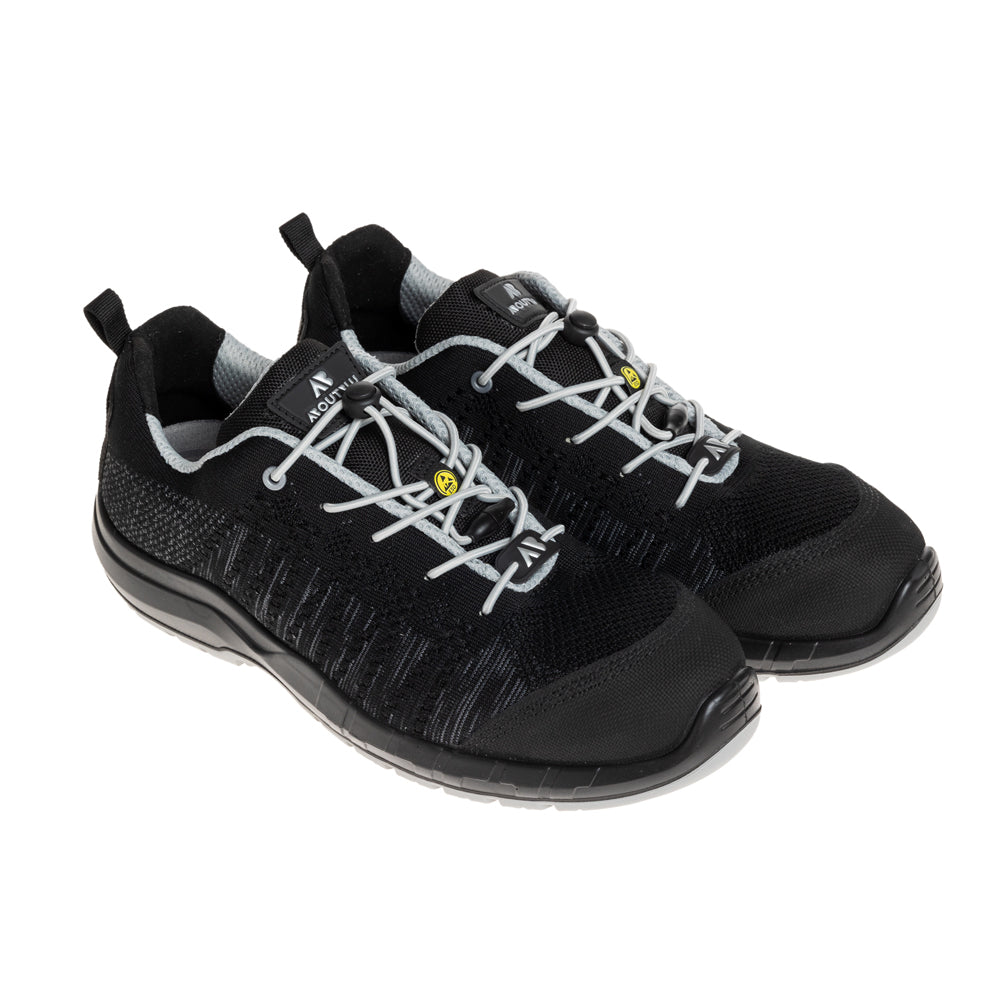
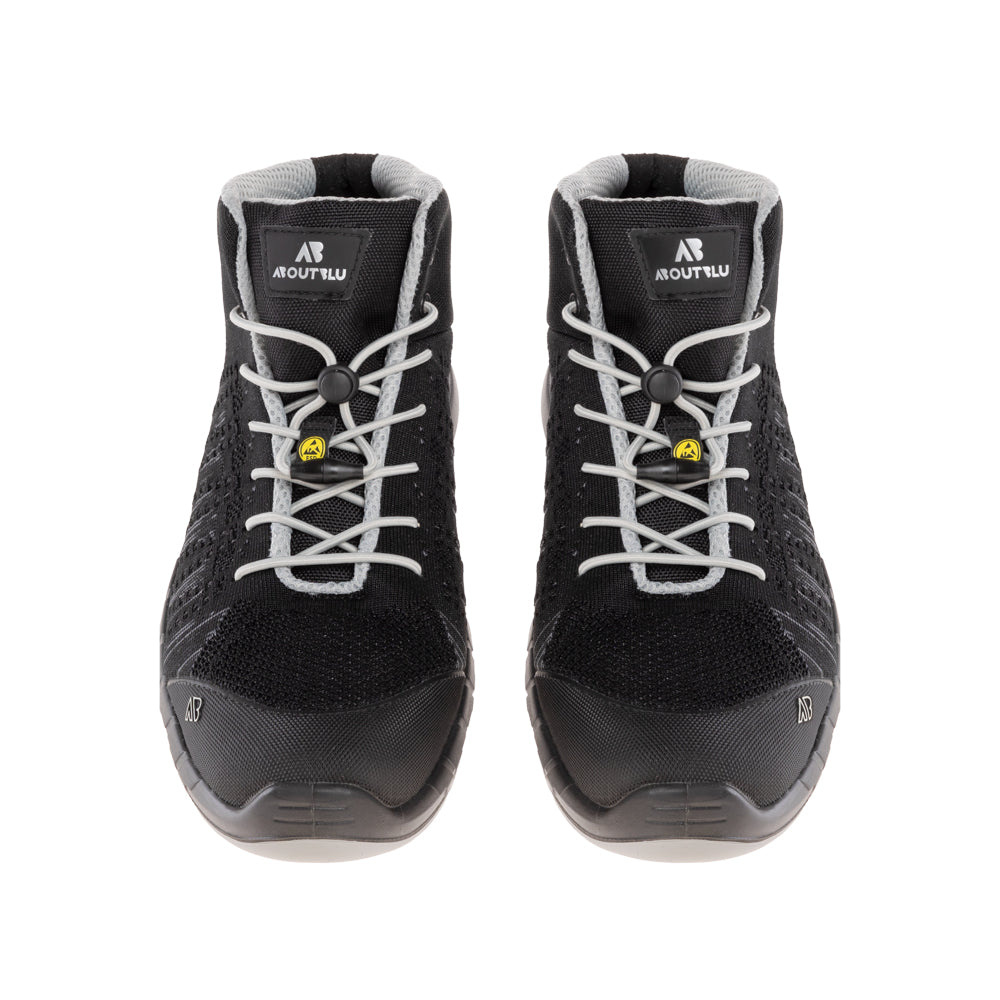
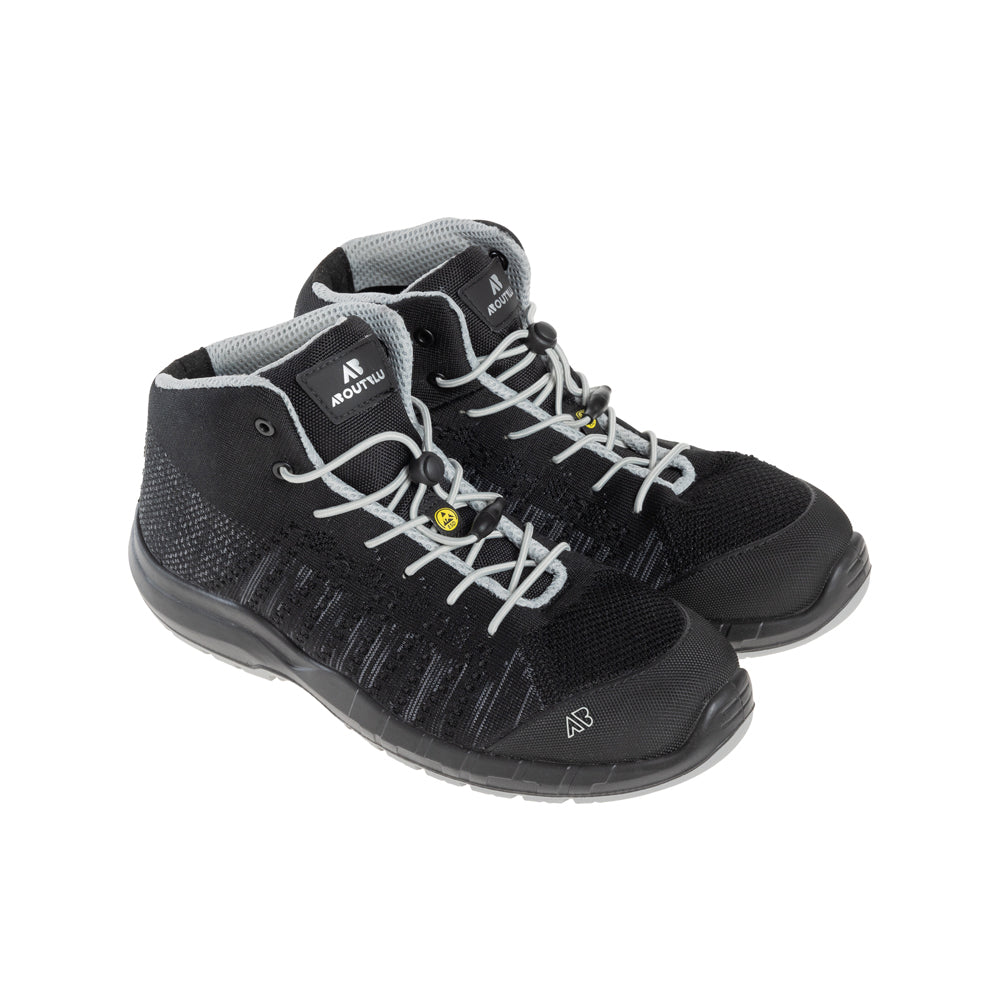
Pay particular attention to your footwear, get the right level of protection including safety footwear if needed, that is specifically waterproof. Also make sure to get a waterproof coat that meets the needs of your site.
Can you wear normal outdoor clothing on-site?
In some cases, it will be possible to wear normal outdoor clothing on-site but it's not always a great idea. Winter workwear is made specifically to meet the demands that work creates, beyond just weather protection.
For example, fabrics used for workwear are extremely durable so they can withstand daily wear and regular washing, while joints and other areas of high friction will often be reinforced to make them even more durable.
Workwear is also designed with function before style, which can make it more comfortable and durable than 'normal' clothing.
How do I stay warm while working outdoors?
Honestly, you're unlikely to ever be really warm while working outdoors during a UK winter. The air is too cold, the wind too strong, the rain too constant - even the highest quality workwear is going to struggle to meet these demands.
But careful layering, wearing insulated socks and suitable footwear, gloves and hats where possible, and all other sensible precautions can all keep you warmer than struggling outside in inadequate clothing choices.
Workwear that meets the demands of UK winters
When you work outdoors, your clothing choices are a vital part of keeping you comfortable in winter. The information in this guide should help you spot the best items for you, but they’re not the only help we offer.
Our winter workwear is designed to meet all these needs, while still coming at a reasonable price. Browse our workwear range to find items that suit your workplace and keeps you protected all winter long.