Standard work footwear is faced with some pretty high demands. It’s on your feet upwards of 8 hours a day, every single day, an intense usage by any standards. Being that durable while still keeping you comfortable is something of a big ask.
Yet safety footwear has to be durable and comfortable enough for a whole work day AND it has to keep you safe in difficult working conditions and environments too. Protect your toes against impacts and your soles against penetration, as well as giving you grip against spills and slips, and keeping your feet dry at all times.
Finding the right safety footwear is incredibly important - but it's not always intuitive. In this buying guide we’ll help you make sure you always have suitable footwear to keep you safe in your work environment, whatever risks it poses.
What type of safety footwear do I need?
Don’t be fooled into thinking that a heavy pair of workboots are the only way to keep your feet safe. There are options to choose from to help you find a balance between comfort and safety.
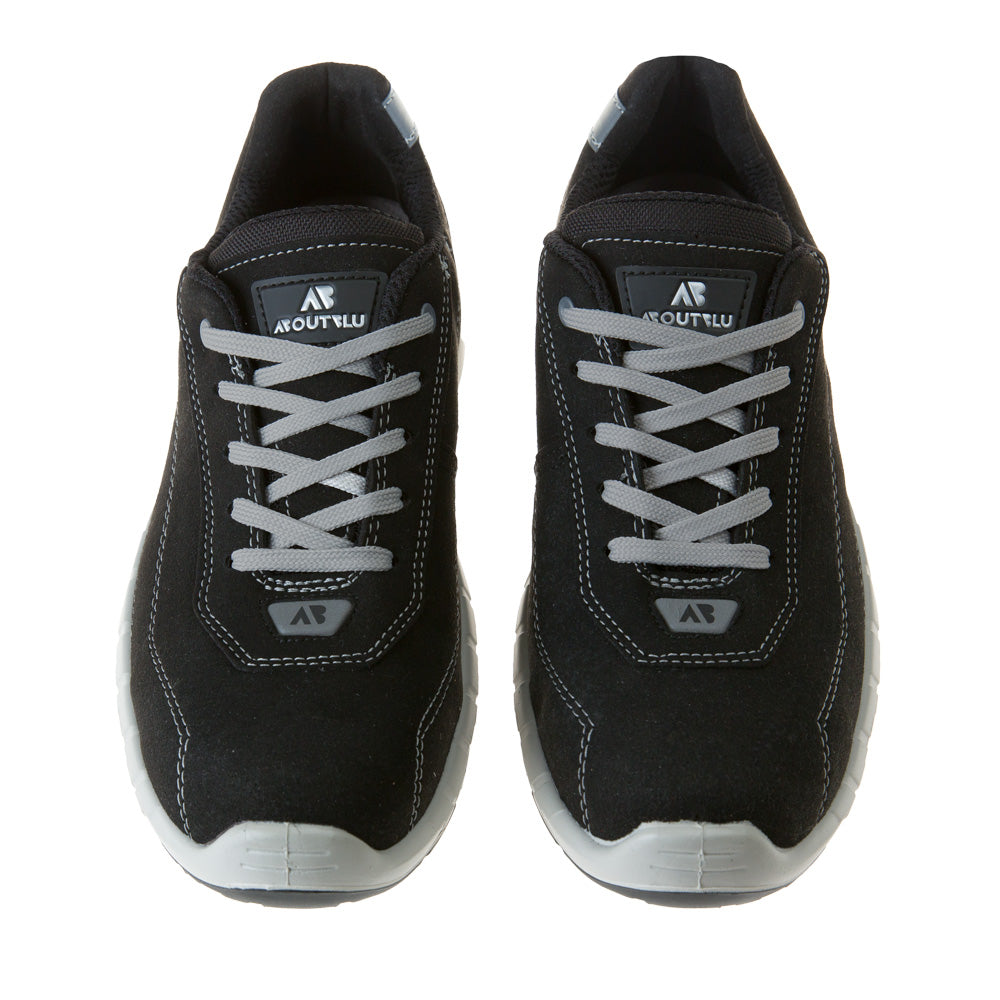
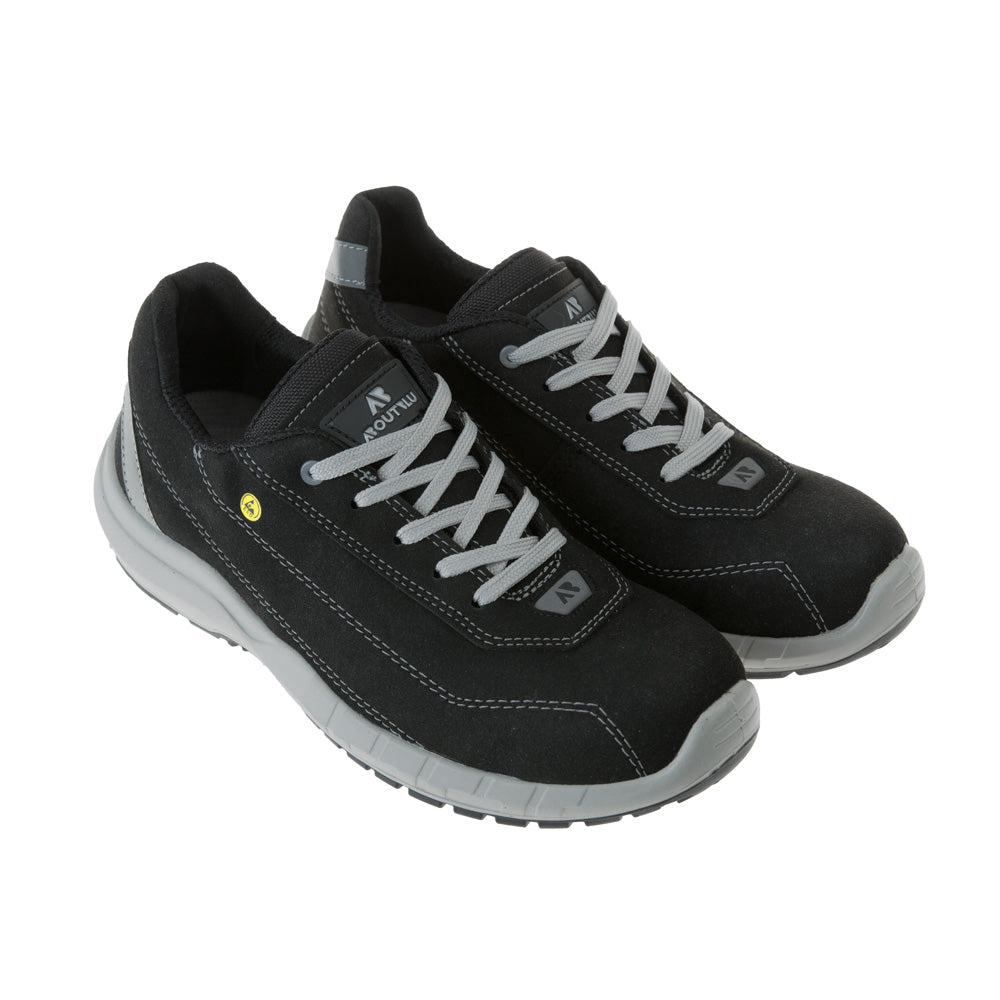
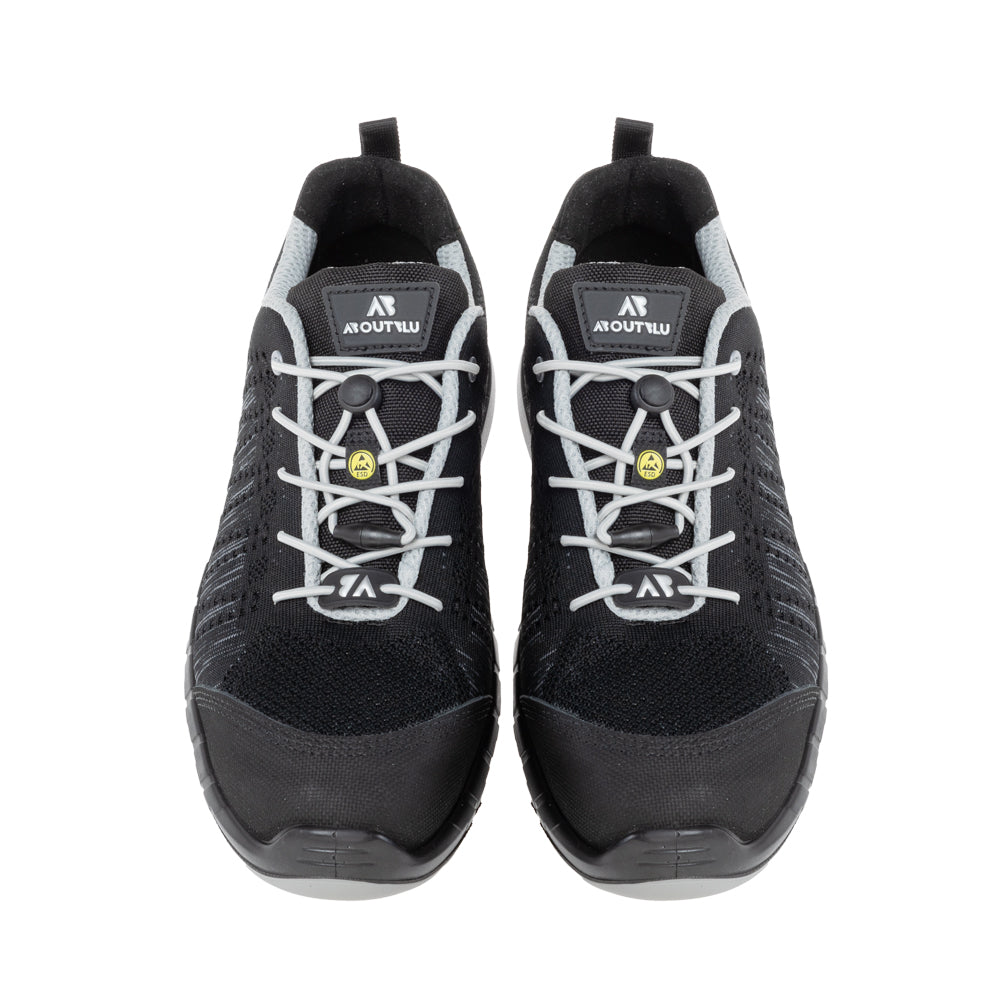
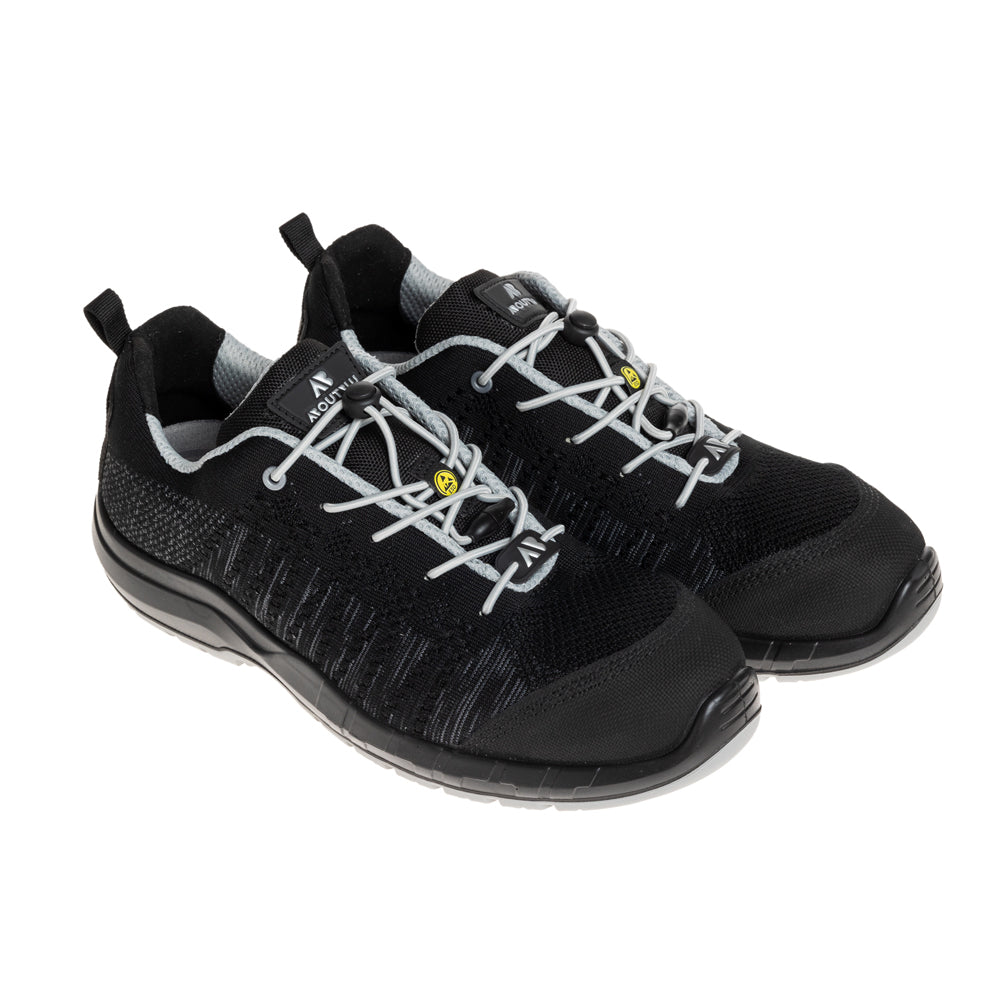
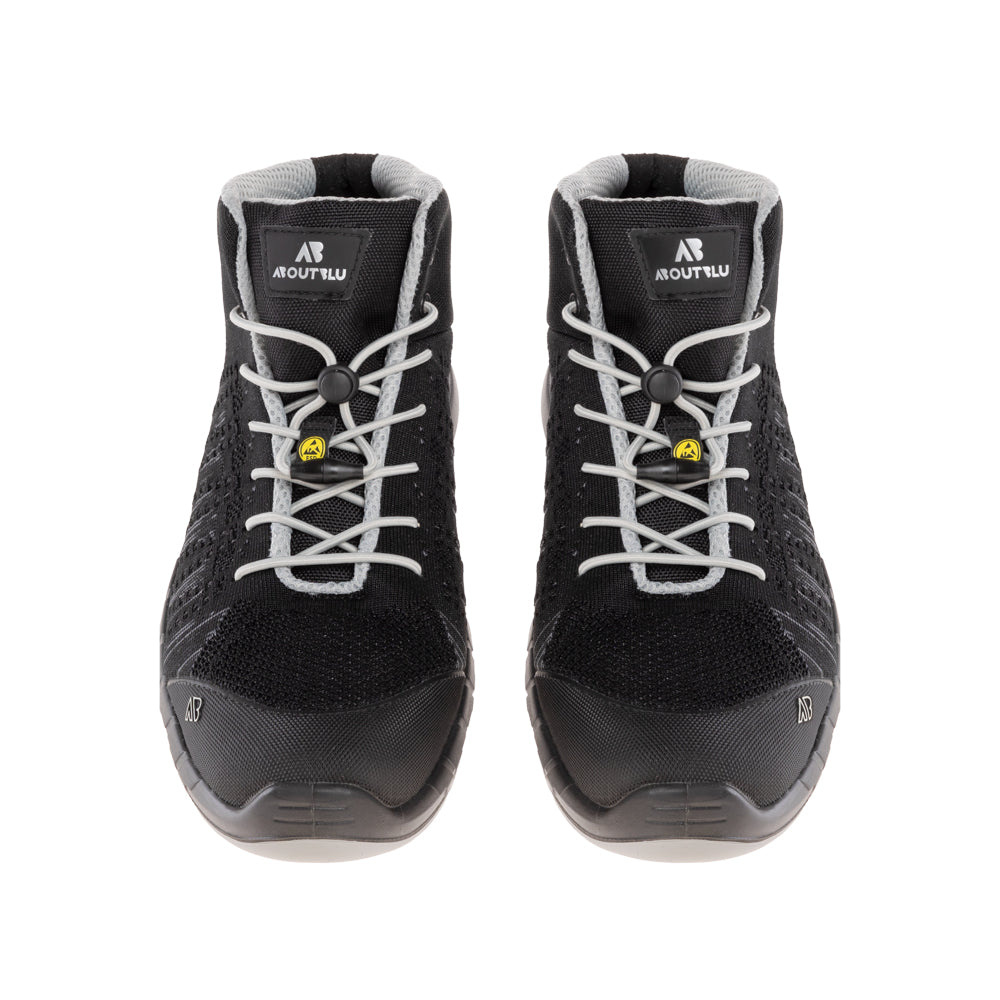
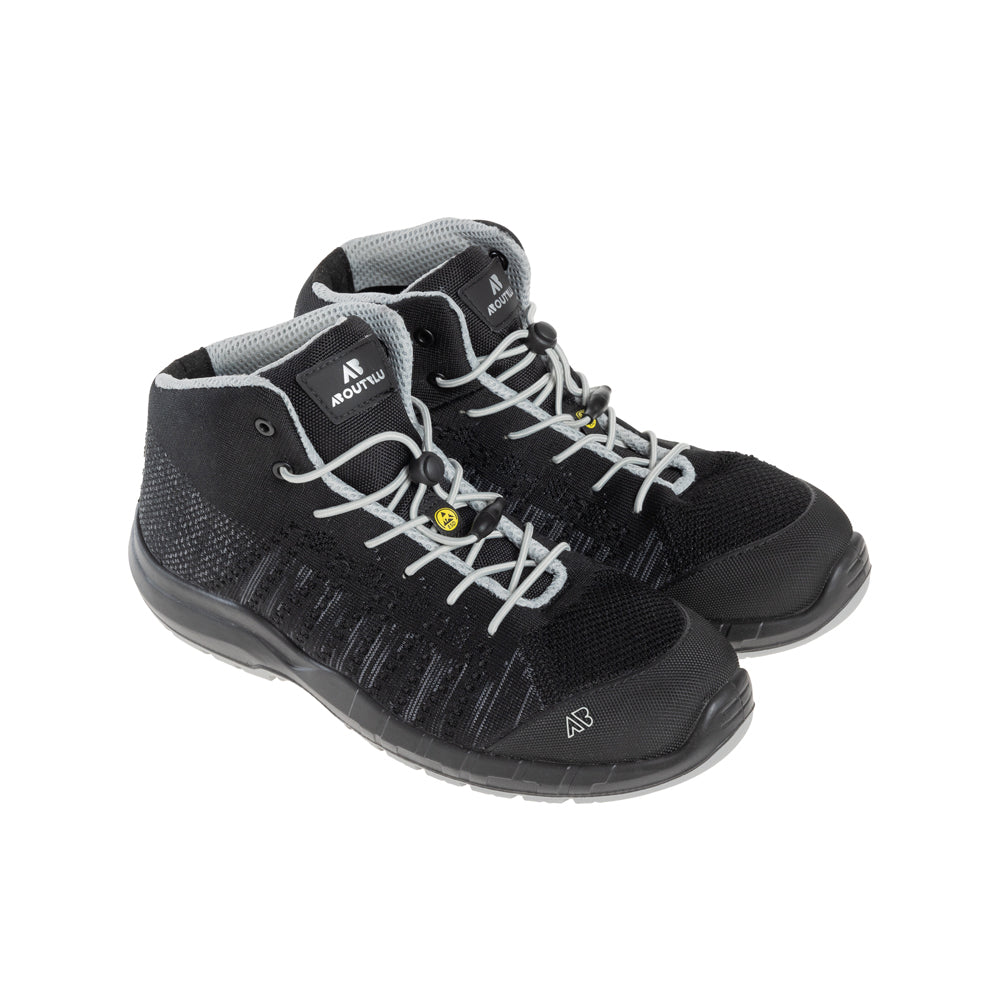
Work Safety Trainers(PICTURE OF TRAINERS WITH PRODUCT NAME AND LINK IN CAPTION?)
If you work long hours and spend a lot of time walking or standing, the added weight of sturdy work boots cause more problems than they solve. Workwear safety trainers are a much more comfortable option.
As you would expect from standard or athletic trainers, safety trainers are designed to be comfortable above all else.
Often made with breathable mesh or microfibre uppers to keep your feet cool, they’ll have a cushioned mid sole that absorbs the impact of your foot against the ground to reduce fatigue in your feet. Plus they’re more lightweight than boots to put less strain on your feet too.
Specific features and ratings will depend on the model of trainer, but there are options to meet most safety needs including anti-slip, anti-static and anti-penetration soles. Reinforced toes are an almost standard inclusion too.
The drawback for trainers is always going to be their casual look. While a plain black pair will help hide their chunky-comfort-first appearance, if you need to look smarter or more formal, other footwear choices are more suitable.
Work Safety Shoes(IMAGE OF PRODUCT WITH LINK TO PRODUCT PAGE)
If you’re public facing or need a more formal look for your workwear, work safety shoes give you that option without needing the extra weight or restricted ankle movement of safety workboots.
Safety shoes do tend to be less high-performance than boots are. They won’t give you access to the same wide range of features such as full waterproofing or impact absorption.
If you’re unable to wear trainers in your workplace, but you find boots too cumbersome or restrictive, work safety shows are a good compromise.
Work Safety Boots(IMAGE OF PRODUCT WITH LINK TO PRODUCT PAGE)
Probably the footwear you think of when it comes to ‘safety’, if you want the highest level of safety and protection, then a work safety boot is your best choice.
Work boots are available in a range of different styles and materials, and each type will have its own safety features to consider. If you need a particular type of protection class, you'll be most likely to find it in a pair of boots more easily than any other shoe type.
One thing to be aware of with boots though is the cost. By necessity (they use more material and are made to be more durable) they are often the most expensive safety footwear option, but they also last longer so they're still a worthwhile investment.
|
Benefits |
Boots |
Shoes |
Trainers |
|
Lightweight |
X |
✅ |
✅ |
|
Easy to put on |
X |
✅ |
✅ |
|
Smart appearance |
✅ |
✅ |
X |
|
Extra comfort |
X |
X |
✅ |
|
Complete range of safety features |
✅ |
X |
|
|
Durability |
✅ |
✅ |
X |
|
Ankle support |
✅ |
X |
X |
|
Protection against dirt and debris in socks |
✅ |
X |
X |
Safety Footwear Ratings
SB (Safety Basic)Safety features: A reinforced toecap that protects against impacts up to 200 joules, oil resistant and closed heel.
S1Safety features: Same reinforcement as SB, plus anti-static protection, oil resistance, and a shock absorbing heel to increase comfort.
S1PSafety features: Same as S1 rated footwear plus a pierce resistant midsole.
S2Safety features: Same as S1, plus water resistance (but not fully waterproof).
S3Safety features: Same as S2 but also with midsole penetration resistance to guard against sharp objects and a cleated outsole (tread).
S4Safety features: Same as S1 but are completely waterproof. To achieve this, they usually have a rubber or moulded polymer upper - like Wellington boots.
S5Safety features: Same waterproofing and protection as S4 but with midsole penetration resistance and cleated out-sole.
HROSafety features: Sole resistant to 300 degrees celsius.
Slip resistance
Another aspect of safety footwear you need to think about for certain workplaces is slip resistance. This is also tested for a number of different footwear types, after which they're assigned one of the following codes:
SRATested on ceramic tile that's been wetted with diluted soap solution
SRBTested on smooth steel using glycerol
SRCTested on both soap solution on tiles and smooth steel with glycerol.
What to consider when choosing safety footwear
Everything from where you work, to the roles performed, to the company you're employed by will impact what safety footwear is right for you. This makes it impossible for us to give a blanket answer about what you should choose because it's all down to you.
What we can do is advise you on what to consider when picking which work safety shoes, boots or trainers are best for you. Here are the main points"
MaterialIf you work outdoors or in wet conditions, then a water resistant upper is likely to be high on your priority list. Rubber, leather or other waterproof materials are a much more fitting choice than canvas, which takes a lot of treatments (regularly reapplied) to maintain even a base level of water resistance.
Conversely, if you work somewhere dry but are on your feet and moving constantly, canvas is the best choice. Canvas shows will often have a breathable membrane and moisture wicking lining, that will keep your feet cooler and drier INSIDE the shoes, even when you're active.
CostIn general, safety footwear is more expensive than standard footwear - even standard workwear footwear.
This is understandable when you consider the many safety features they may include, but if you're on a tight budget it may restrict your options.
EnvironmentThe environment you work in plays a major part in what safety footwear you need. Working outside means water resistance is important, while working inside means keeping your feet cool is preferable.
Indoors, the ground tends to be more level so trainers with shock absorbing soles give you the most comfort possible without having to worry about wet feet. Outside, uneven terrain can make the thick treads and ankle support that work boots provide a better choice - plus that same deep tread helps your feet grip in wet, slipping environments too.
Who you work aroundIf the only people you see while you work are your colleagues, you have the luxury of choosing which safety footwear you want, without needing to consider how they look. A comfortable pair of trainers, or boots that are designed to put safety before appearance.
When you work around the public or customers, your employers may expect a higher level of professionalism from your work clothes. A pair of work boots or safety shoes often have a more formal look, that will present a good image of the company you work for when it matters.
Legal requirementsFinally and perhaps most importantly, you need to be aware which footwear safety features are required in your workplace. Once you know which features you need for a specific role or workplace before you shop for safety footwear, and check any items you want to buy, meet them.
Size and shape of your feetAs obvious as it sounds, make sure to find a pair of safety footwear that fits your feet comfortably. This means trying on your footwear indoors, and walking around a little, to get a full idea of how it sits on your foot and how much movement there is when you walk.
Not all feet are shaped the same, and if a particular brand or make of boot doesn't feel comfortable then you need to find one that does. Beyond just size changes, try different brands or styles until you find something that feels secure without rubbing or pinching when you move.
There are specific safety shoe ranges divided by gender, as women may find men's safety footwear to be too wide and thus rub and cause blisters.
Frequently Asked Questions About Safety Footwear
Why are safety boots important?Safety boots are among the most important items of PPE worn in many workplaces. They reduce the chance of injuries from heavy objects impacting your feet, protecting against toe damage and even amputation. Their soles are designed to prevent slipping, even in wet conditions, while their water resistance will reduce the chance of bacterial or fungal infections in your foot by keeping it dry.
How often should safety boots be replaced?Your safety boots or footwear should be replaced every six months or so if you're wearing them daily. The unavoidable wear and tear of regular use will reduce the protection level they offer, across impact, anti-static and anti-slip resistance - even if they don't look particularly dirty or damaged. And if they do get damaged, you should replace them as soon as possible to maintain maximum protection.
How much weight can a steel toe cap take?Steel toe cap boots with an SB rating are able to withstand 20kg of weight falling on them from a distance of 10.2m. They are also able to withstand 1.5 tonnes 'resting weight'.
Do safety boots need breaking in?A good quality and well fitting safety boot should not need breaking in, and if you feel considerable pain the first few times you wear new boots then you likely have the wrong size.
What is a composite toe cap?A composite toe cap is made from a mixture of materials to create a toe cap that is lightweight while still offering extensive protection. Typically they're made of a mix of kevlar, plastic, fibreglass and carbon fibre.
What’s the difference between steel, aluminium, and composite toe caps?It is possible for all of the above toe cap materials to meet the same safety standards and offer 200J impact damage.
Composite toe caps are lighter, thermal-neutral and won't trigger metal detectors so they're a great choice for work environments where that is important. The downside of composite is that they tend to be more expensive.
Steel is incredibly durable and cost-effective but it is heavier and conducts external temperatures.
Aluminium is the compromise between the two, as it weighs less than steel but will conduct heat and cold.
Find safety footwear that suits your feet and your work
Once you've identified your protection needs, the search for the right safety footwear shouldn't be difficult. With the Alex Direct range of safety footwear, you can be assured any pair you choose will provide long-lasting protection at a reasonable price.
Browse our range here to find what you need and if you're still struggling to find the right pair, our customer service team is here to advise and answer any questions you may have.