Working outdoors on bright summer days holds a lot of appeal. Feeling the warm weight of the sun on your back while you work, without worrying about dodging rainclouds or your skin stripped raw by biting winds and cold.
But while working outside in summer is often preferable to long cold winter days, it's not without issues. And finding the right workwear can help minimise those issues, just as it does in winter.
In this post, we'll explain how you can find workwear that helps you stay cool and comfortable in summer. We'll cover the best fabrics to wear in hot weather, the most important factors to look out for, and answer some frequently asked questions so you have the information you need to find the correct clothes for summer days.
What Makes Good Summer Workwear?
There are some features of workwear that make it a good choice all year round, but in winter the demands on your clothing choices are a lot higher. Here are some of the things you should be looking for in winter workwear specifically:
Loose fitYou want clothes that let circulate as well around your skin as possible. Loose fit shirts and shorts will leave enough space around your body for air to flow, but look for workwear that is designed to be baggy rather than sizing up too much. If you go more than one or two sizes up, your clothes may end up too baggy, getting in the way while you work.
Breathable, moisture wicking fabricsAnother way to let air circulate is by choosing breathable fabrics. Polyester and other synthetic blends with a loose weave, will make sure any cool air is able to reach your skin. Meanwhile, moisture-wicking fabrics will quickly move moisture away from your skin to the outside of the fabric and then rapidly dry to stop you feeling sweaty or uncomfortable.
VentilationMesh panels, vented backs and other ventilation features are another way to stay cool through improved airflow. They can be particularly useful in clothing that is slightly thicker by necessity, such as hi-vis t-shirts or softshell jackets.
Light coloursTempting as it is to stick to dark blues, blacks and greys to hide the inevitable dirt that comes with many jobs, in summer this is a bad idea. Dark colours absorb heat, and strong sun will scorch even under when you're dressed in black. Where possible go for pale colours - khakis, light greys and blues are a good compromise if you find white too clean or bright.
UV ProtectionSome modern fabrics come with built-in UV protection to reduce your chances of sunburn or long-term skin damage. Keep an eye out for clothes with a high Ultraviolet Protection Factor (UPF) as these will be able to keep UV rays away from your skin.
Should You Layer Clothes in Summer?
Layering clothes on warm summer days might sound counterintuitive. When the sun is high and hot, the last thing you want is to have extra layers of clothes adding to the temperature, right?
Except we're talking about working outdoors in the UK. A place where the weather is nothing if unpredictable, and it can easily swing from a scorching sunny morning to a stormy, wet afternoon over just a couple of hours. Multiple times.
With this framing, layering clothes makes more sense. Here are some tips to help you layer for comfort during summer.
Wear multiple, light layersAccording to the MET office average UK summers range from 18-25 but can go up into the 30's. Although that range is over the whole season rather than days, there is scope for massive temperature shifts even within a single day. The best way to tackle that is with a couple of light layers you can add or remove as the temperature changes to help regulate.
Go multipurpose where possibleLayering might be useful, but that doesn't mean it's smart to wear anything unnecessarily. Instead, combine functionality where possible.
One of the easiest ways to think about this is hi-vis clothing. Rather than adding an extra vest on top of a t-shirt, wearing a hi-vis t-shirt or hi-vis trousers will help you stay cool while also increasing your visibility. Similarly, if you know you need to keep your arms protected, a lightweight long sleeve gives you that option without having to add an extra layer over the top.
Choose breathable and moisture wicking fabrics for your base layerAs we've discussed above, moisture-wicking and breathable fabrics are an important part of keeping cool in summer, but they're especially important for your base layers, otherwise your body heat will be trapped against your skin leaving you feeling stuffy, sweaty and uncomfortable.
Stick to a short sleeve base when possibleObviously, if you need to keep your arms protected, a long sleeve t-shirt is your best choice for a base layer but in all other circumstances, stick to short sleeves. When the days get too hot, you can leave
Frequently Asked Questions About Summer Workwear
What is the best fabric for summer workwear?The best fabric for summer workwear is one that is both breathable and moisture wicking. This is better achieved with synthetic fabrics like polyester rather than something natural like cotton which is lightweight but slow to dry.
How do I stay cool while wearing PPE?Staying cool in PPE is difficult, and unfortunately there is no quick solution. Where possible, get hi-vis clothing in lightweight, breathable fabrics, and combine purposes (like a hi-vis t-shirt instead of layering a vest on top of a standard shirt.
Also make sure to take regular breaks when wearing heavy or restrictive PPE and cool off.
Are lightweight work trousers durable?Choosing lightweight trousers doesn't have to mean sacrificing durability entirely. Trousers made from synthetic blends are often engineered specifically to be both lightweight and durable, and will still have features such as reinforced seams or joints.
Is cotton or polyester better for summer workwear?If you're looking for a natural workwear option, cotton is a good choice but overall a polyester blend is the best workwear choice. These are manufactured to be both breathable and moisture-wicking, making them a lot more comfortable to wear than cotton which is breathable but isn't moisture-wicking and if it gets damp from perspiration it is uncomfortable and takes a long time to dry.
Can you wear shorts on-site?According to the Health and Safety Executive (HSE), it is up to individual sites to state whether you're able to wear shorts or not. There is no nationwide regulation banning them, but if the site health and safety officer decides they are not a safe option on a particular site, you will need to wear trousers.
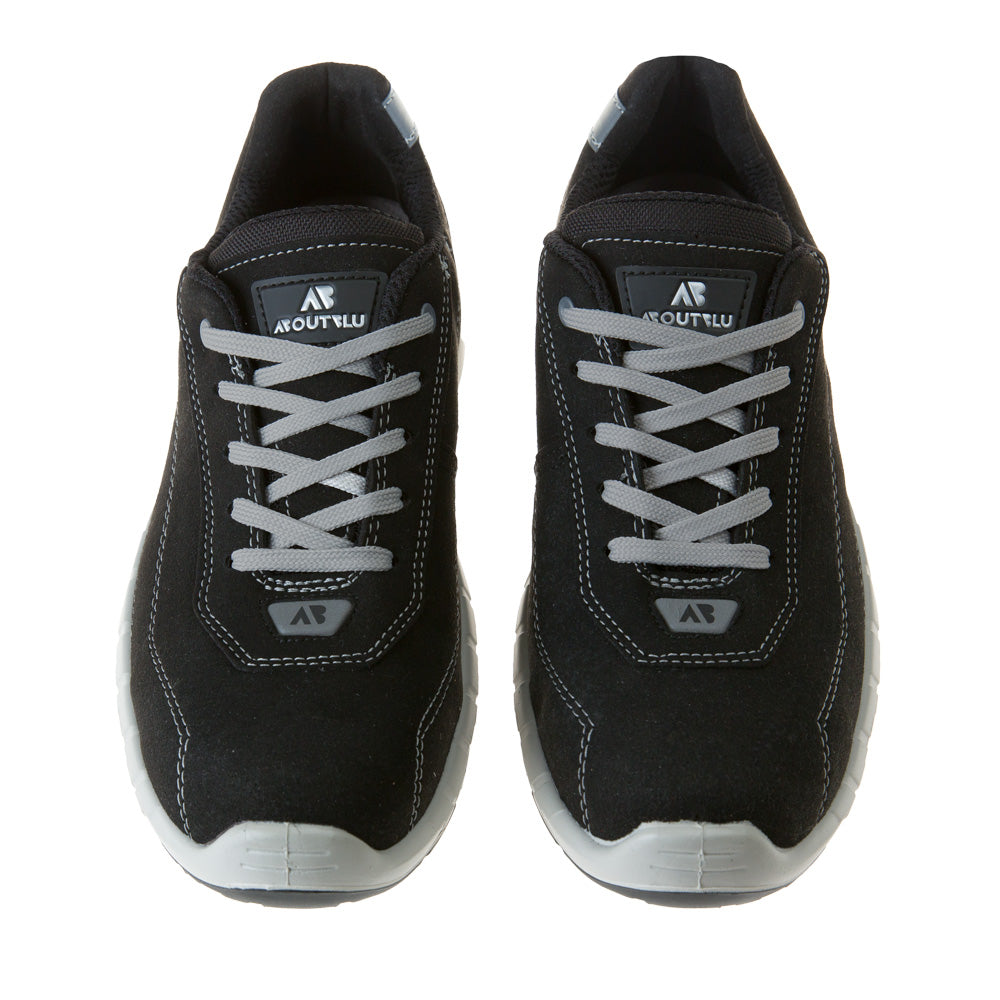
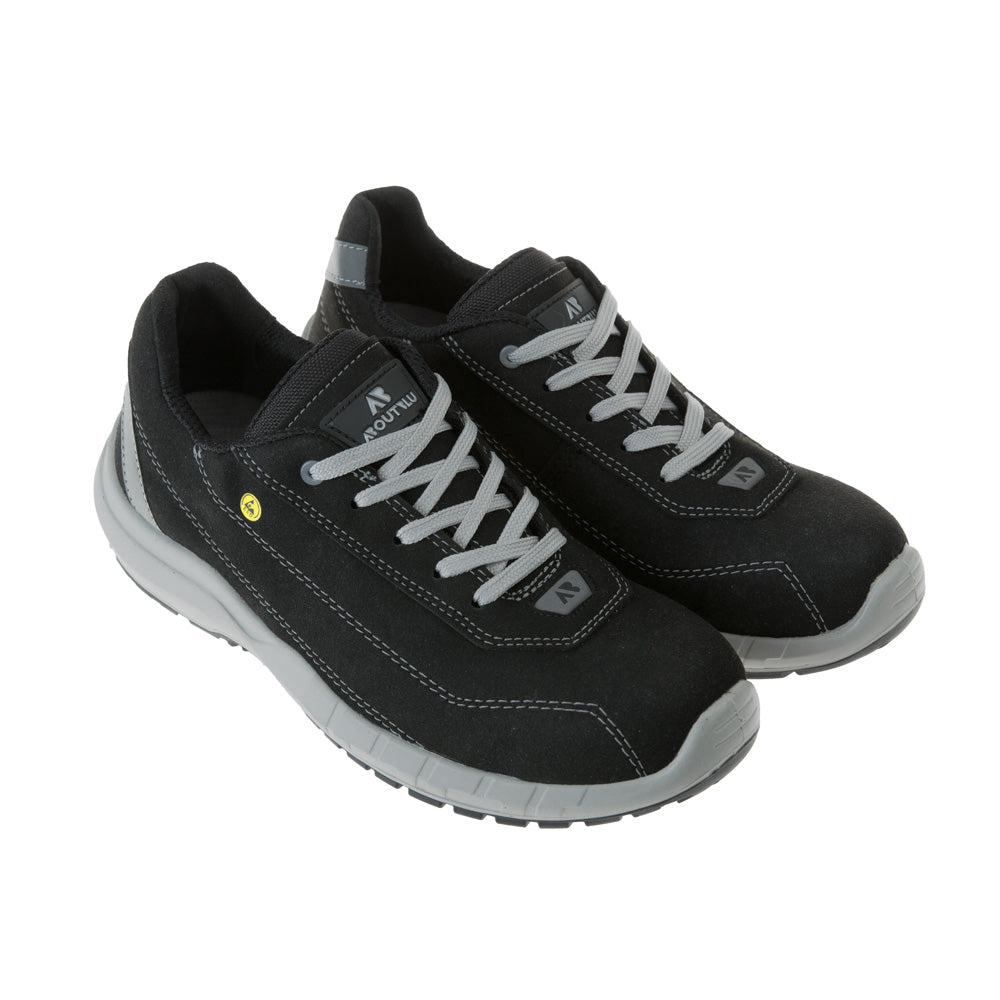
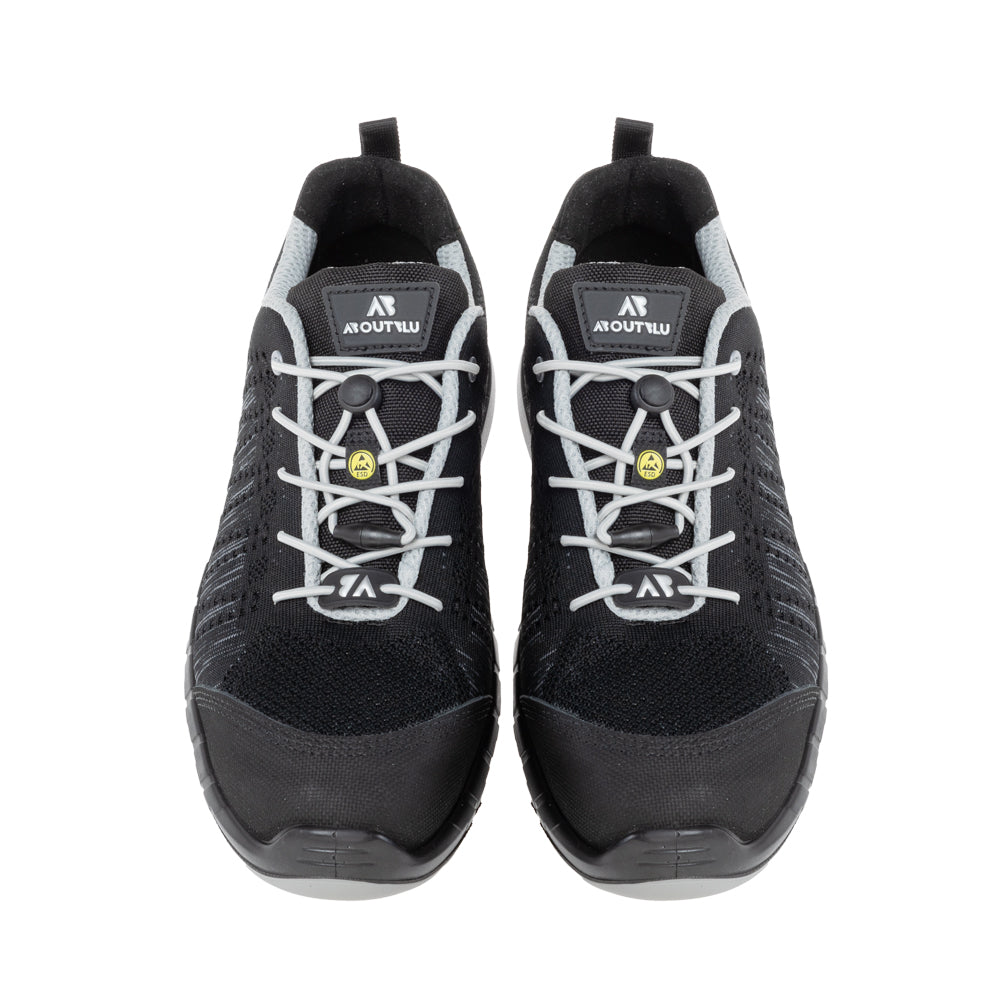
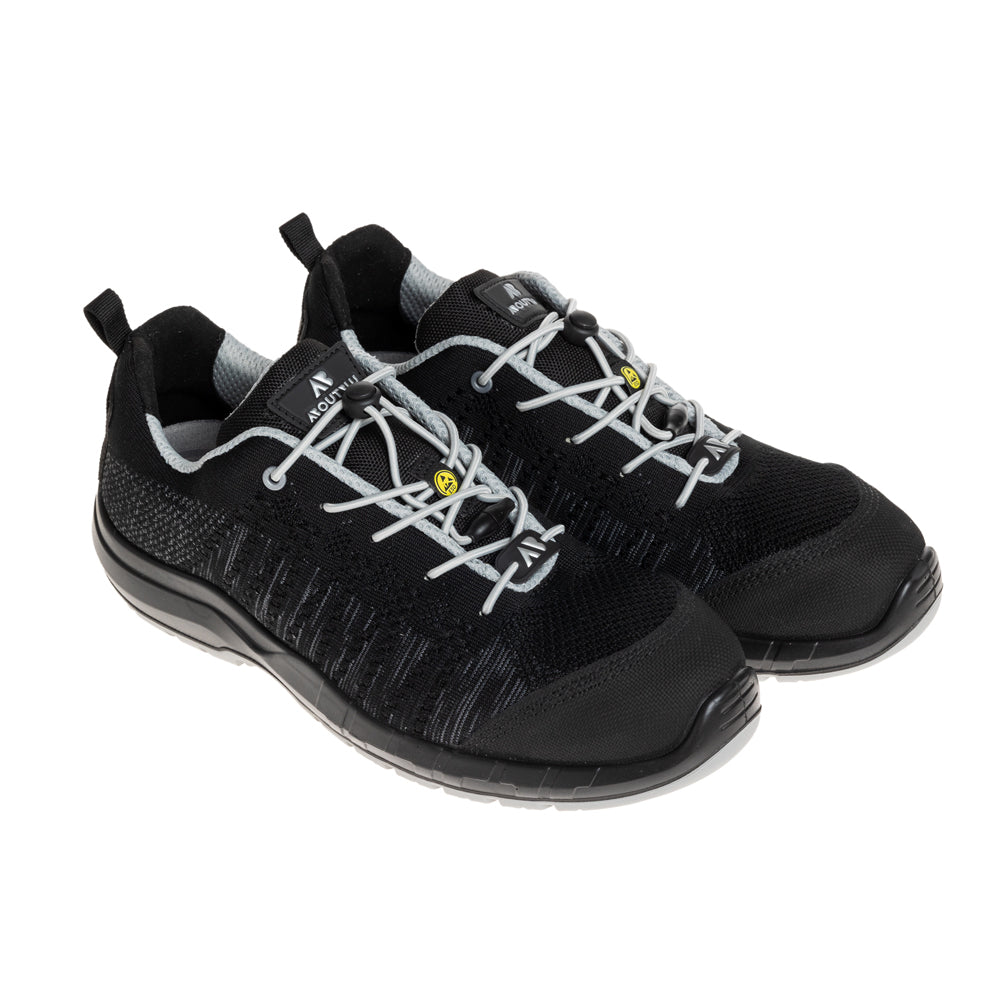
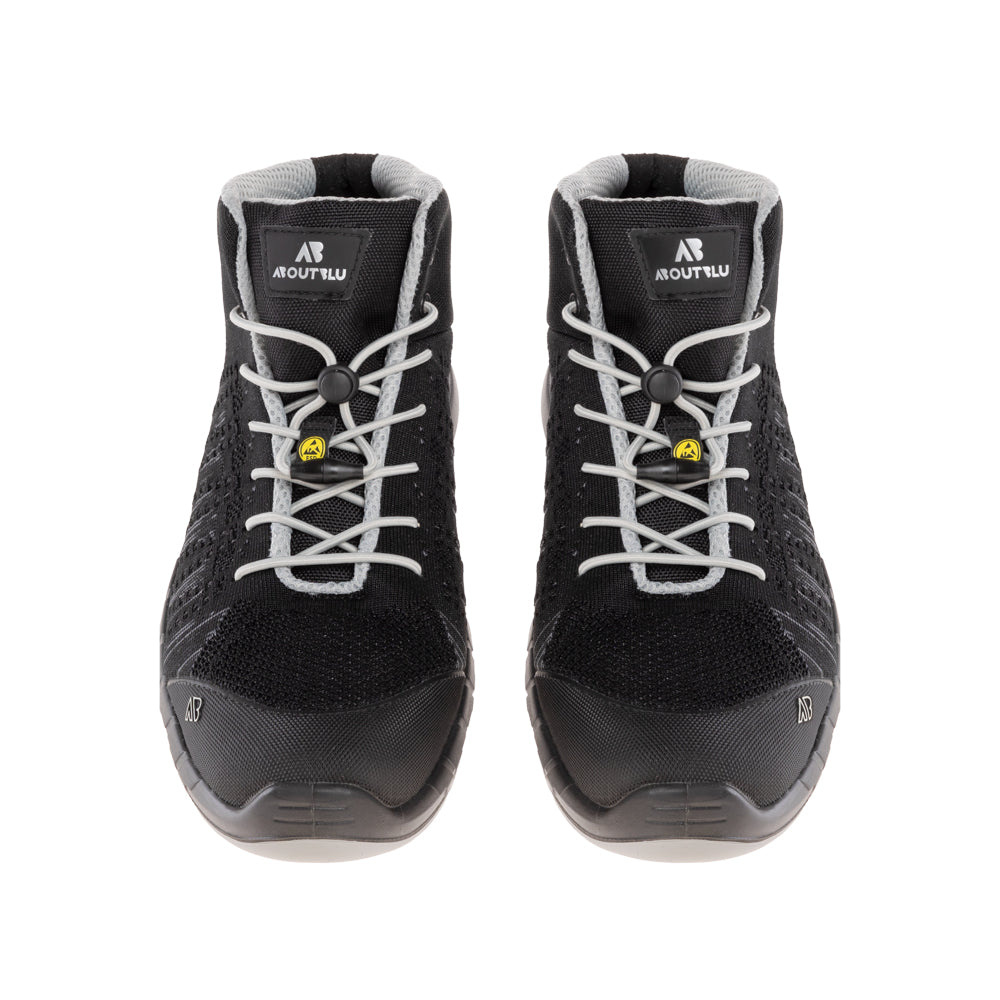
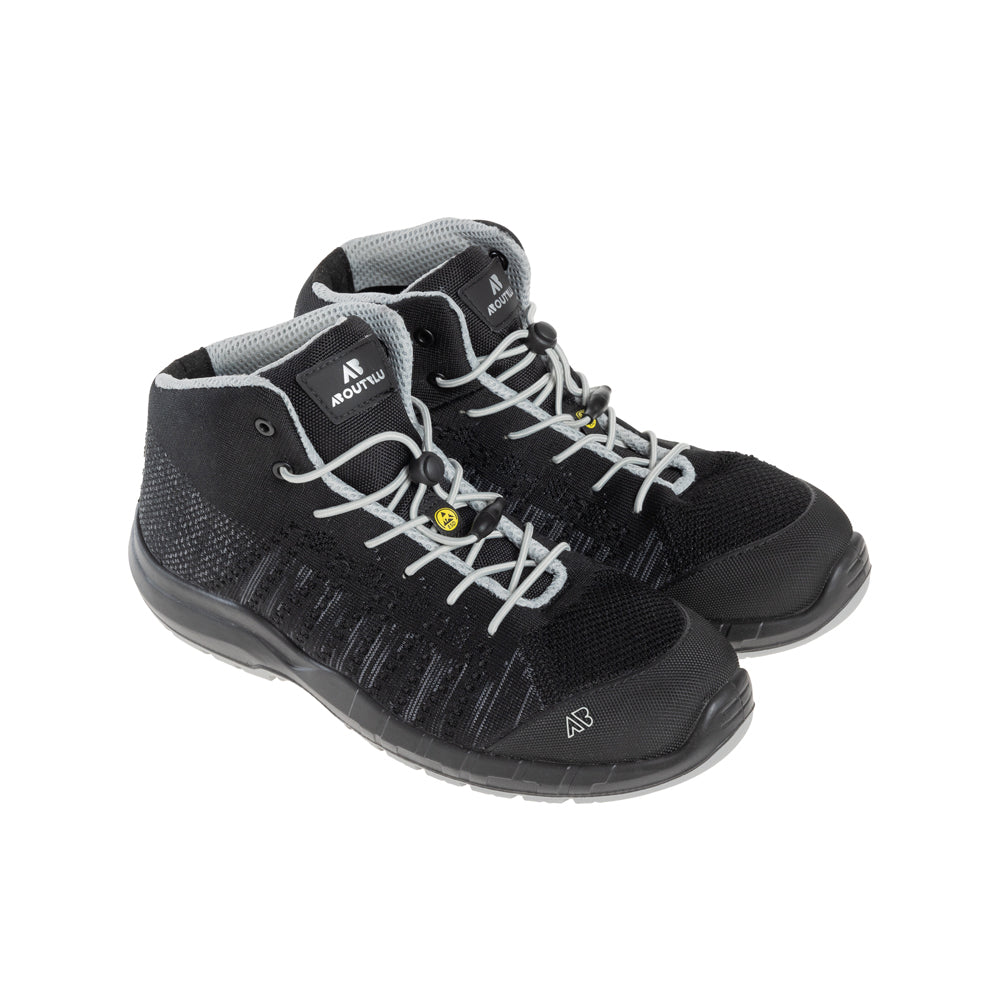
Are lightweight safety boots protective?If you're looking for lightweight safety boots that still protect your feet, then look out for boots with a composite toe cap. These offer as much impact protection as traditional steel toe caps but they are a lot more lightweight.