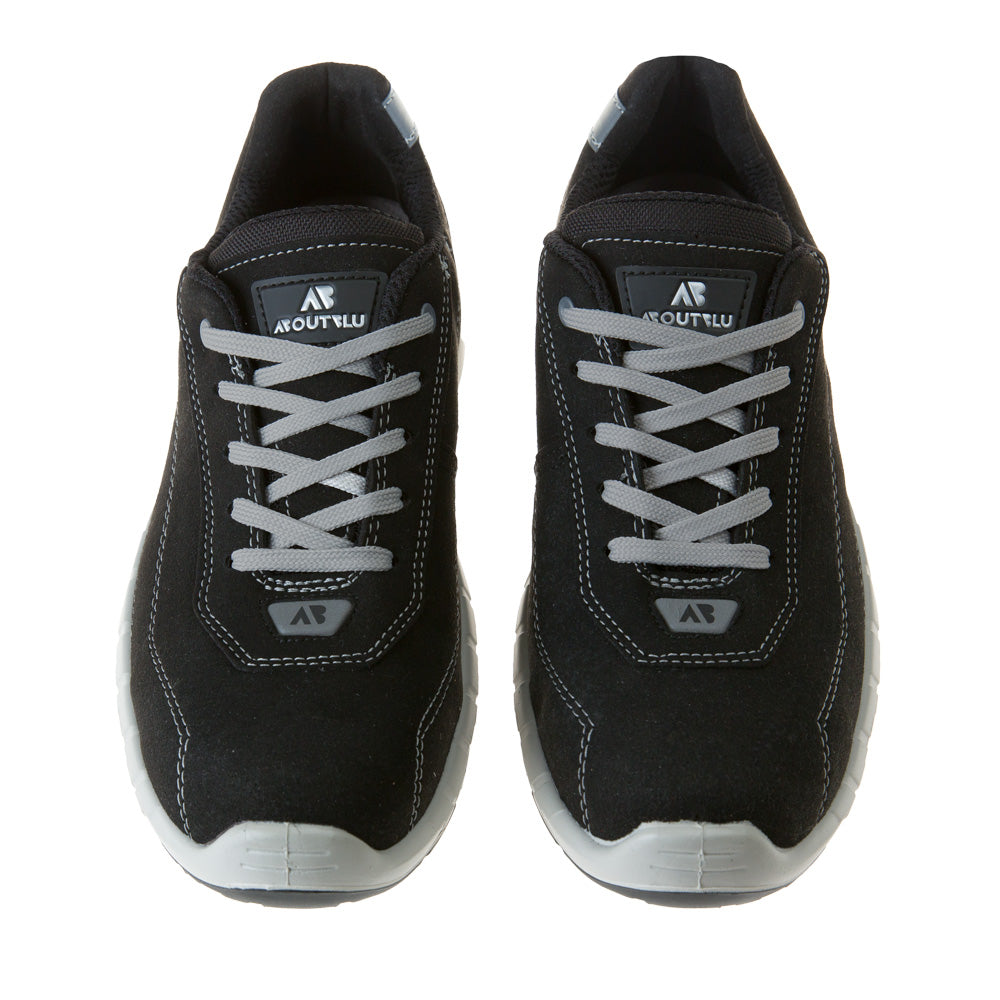
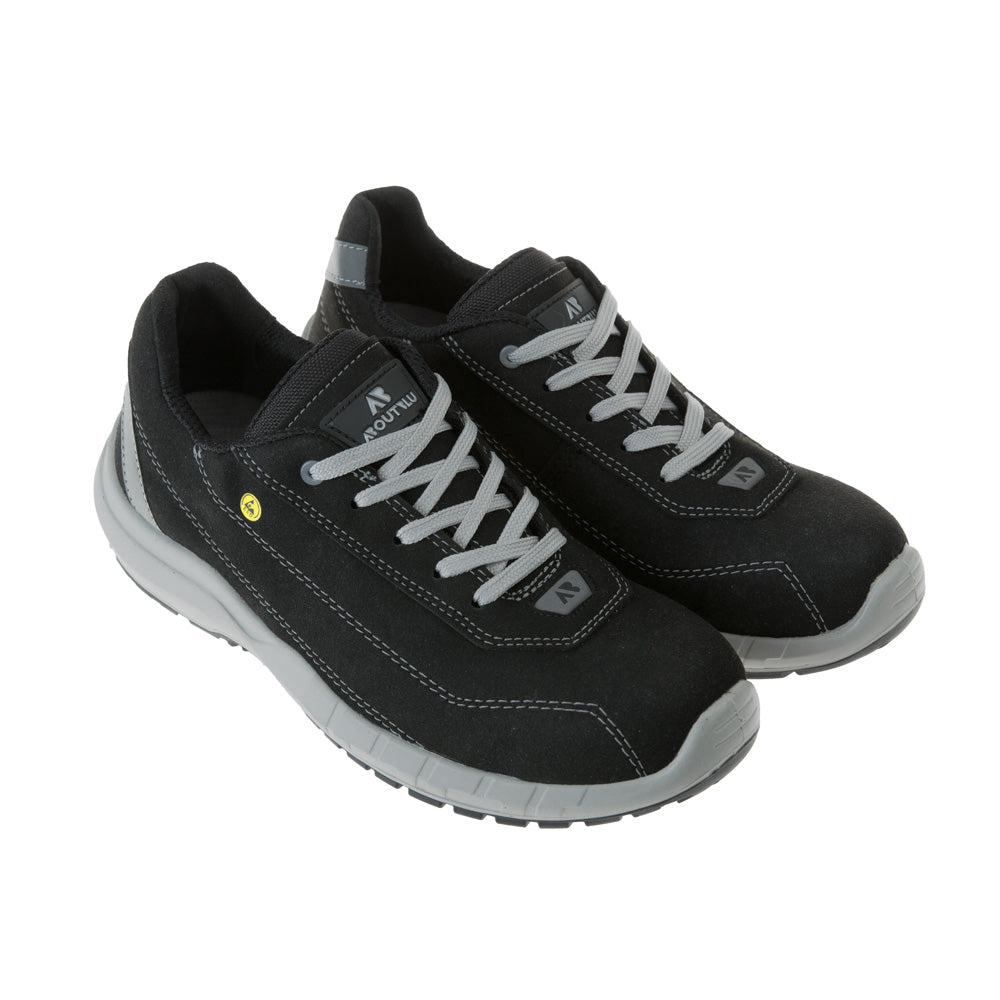
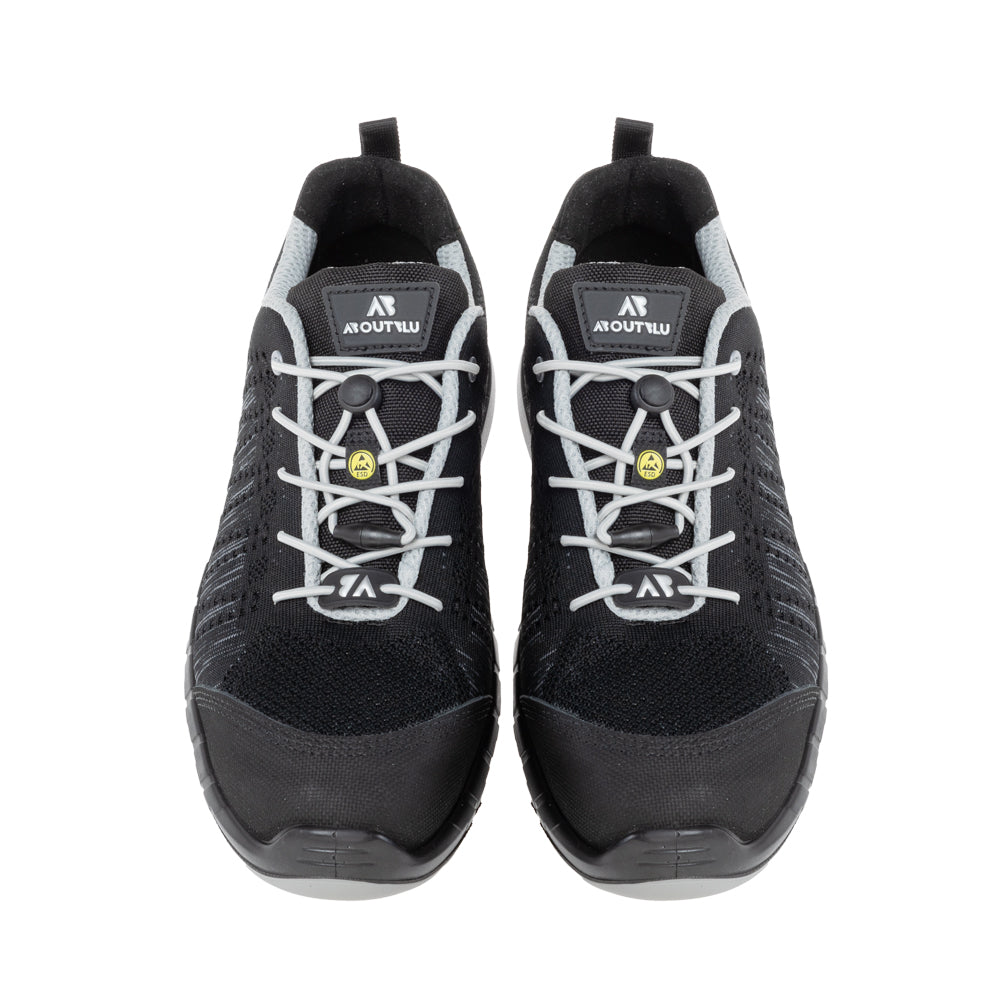
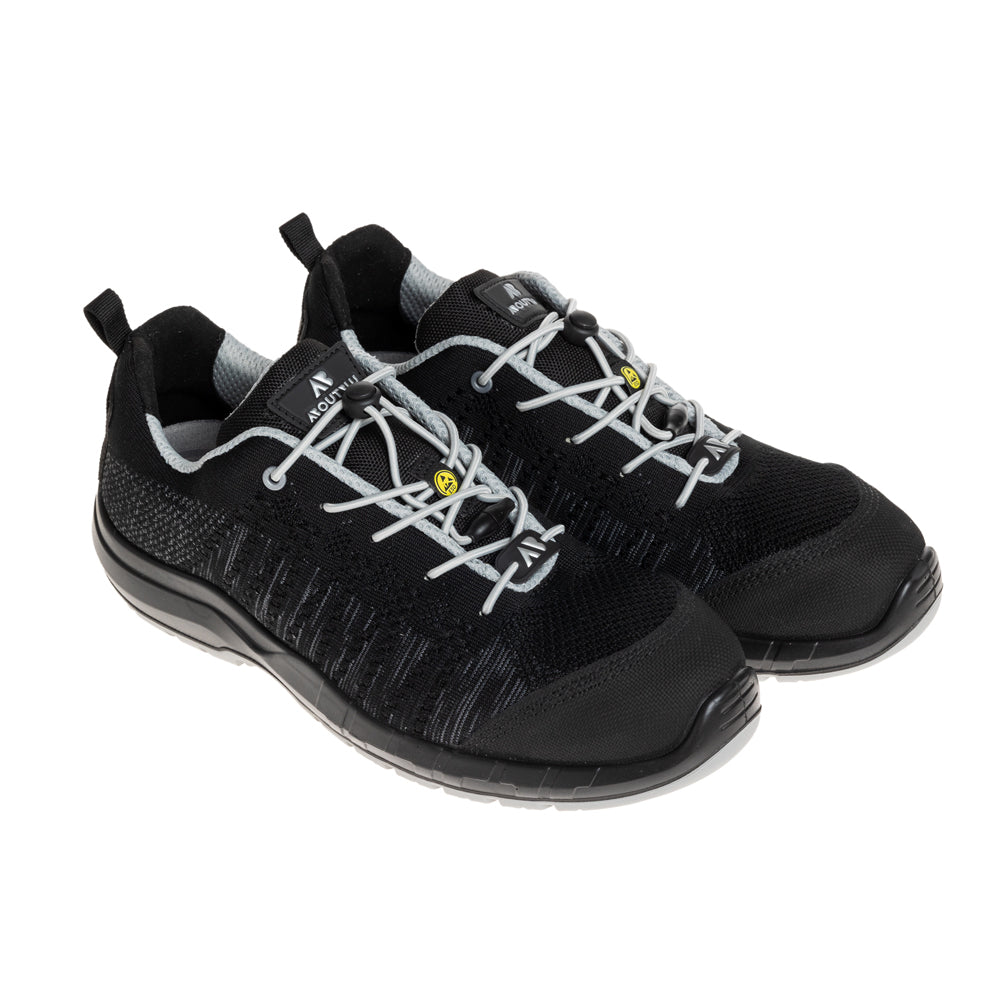
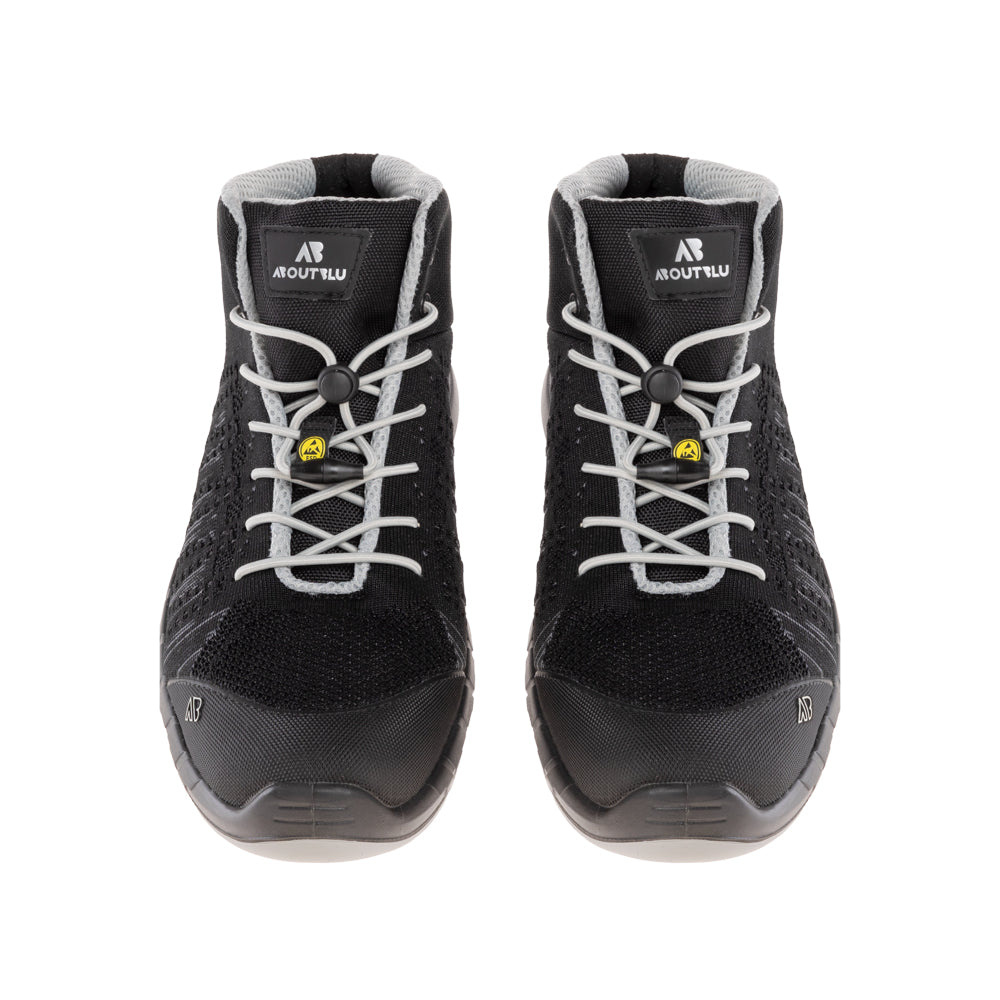
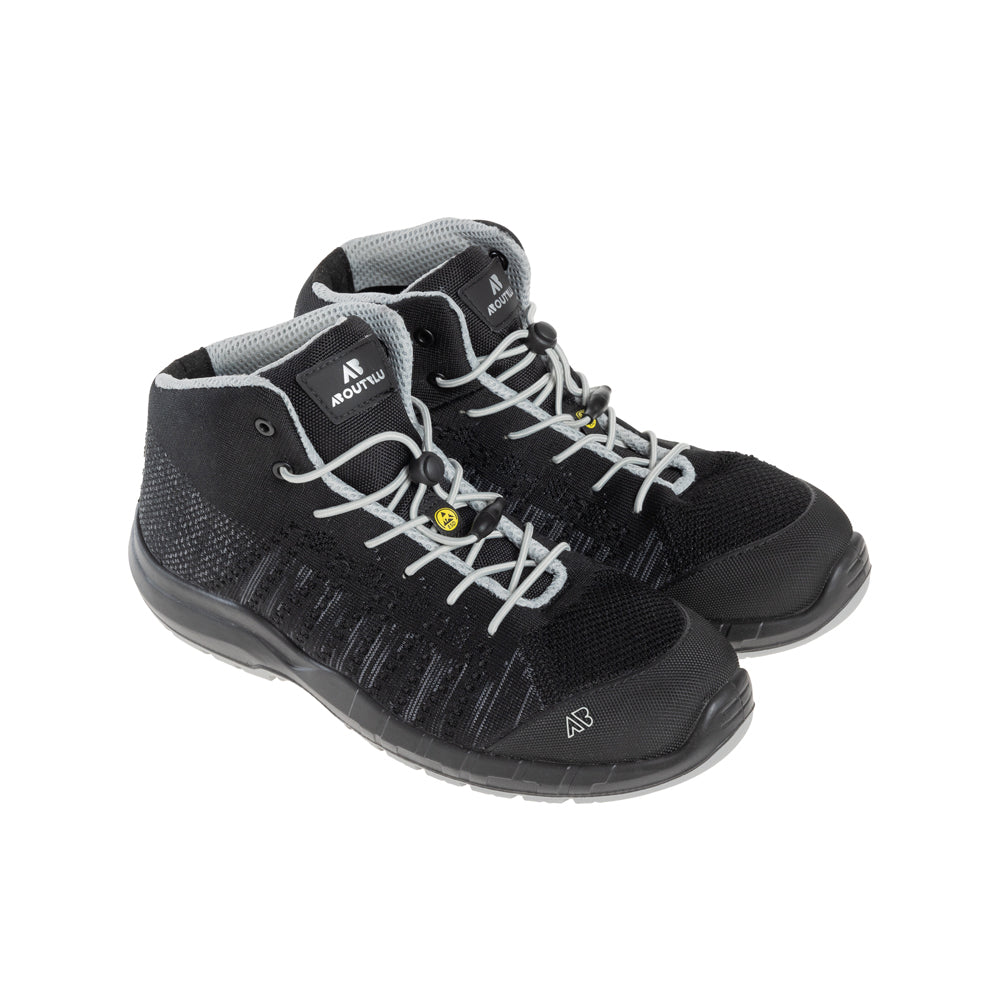
We speak to small and mid sized businesses every day. Busy teams, tight margins, real risks. Most of the headaches we see are not about obscure clauses or rare edge cases. They are the everyday slip ups. The common workwear mistakes that creep in when everyone is juggling orders, rotas and a dozen priorities. So we wrote the guide we wish every new customer had on their desk before they buy a single jacket.
We will be honest. We sell workwear for a living. But long term relationships only happen when the kit is right, the paperwork is tidy and your people actually want to wear what you issue. That is the bar we hold ourselves to. Use this mistake-led guide as your checklist. If it saves you a return, or an awkward chat with an auditor, then it has done its job.
Mistake one: buying from a picture not a specification
A bright jacket looks compliant in a thumbnail. It is not proof. We see orders placed off a single image and a guess at the class. The box arrives, the gear goes out, and months later someone checks the label and realises the high-visibility layer is a lower class than the roadside task demands. Or the welding apron meets a heat standard but not the welding-specific one. Close enough turns into not enough.
What happens next
You scramble for certificates. You reissue stock. You swallow the cost or delay work while you fix it. Morale dips. Trust takes a hit.
The quick fix
Write the standard and class into your purchase request and your stock record before you shortlist products. ISO 20471 Class 2 for this role. ISO 11611 for that process. ISO 13688 as your baseline for protective clothing. Then, and only then, pick garments that match on paper as well as in the photo.
How we help
Every product page in our range clearly sets out the standards a garment meets. If you need the certificate for the exact model, ask. We will send it with your quote so you know what you are buying before you commit.
Mistake two: ignoring comfort until people make their own workarounds
If a hoodie is too warm or a collar rubs the neck, people will improvise. They layer casual wear under high-visibility. They buy their own fleeces that hide reflective tape. They leave approved kit in the van. Compliance erodes in a week.
What happens next
You spend money twice. First on the wrong gear, then on replacements. Supervisors waste time chasing non-compliant outfits. Everyone gets irritated.
The quick fix
Do a fast wear test before you buy at volume. One full size run. Two weeks on the job. Ask the people who will wear it. Can you bend and reach. Do the cuffs stay put over gloves. Are the pockets usable. Do you stay dry without feeling like a boil-in-the-bag. Feed that back into your choice.
How we help
We set up simple trials for customers all the time. Straightforward returns. Honest feedback baked in. It is quicker than fighting the wrong hoodie for an entire season.
Mistake three: treating certificates as once-and-done paperwork
Certificates are not admin fluff. They are your proof. Versions change. Products shift. Files get lost. The common workwear mistakes we see at audit time are tiny but costly. A certificate that expired six months ago. A garment code that does not match the label. A PDF hidden in someone’s inbox. None of this is dramatic. All of it is avoidable.
What happens next
An inspector asks for a certificate and no one can find it. Cue a day of emails and mild panic. Not ideal.
The quick fix
Keep a lightweight register. Garment name, standards covered, certificate number, issue date, review date, owner. Save the PDFs in a shared folder with names that match your stock codes. One minute per item. Priceless at audit time.
How we help
We can provide the technical file for the exact garment you buy. We will label quotes and invoices with your internal codes so your register lines up neatly. If you need a fresh copy of a certificate a year from now, ask and we will resend it.
Mistake four: washing and repairs that quietly kill compliance
Industrial laundry can fade fluorescent dyes and crack reflective tape. Repairs with the wrong thread or patch reduce protective performance. A winter of grit can wear soles until slip resistance is a memory. On day one the kit is perfect. Six months later it is quietly compromised.
What happens next
Incidents. Near misses. The hi-vis that was Class 2 is now more wishful thinking. The flame-resistant jacket gets patched with ordinary thread. No one meant harm. It just happened.
The quick fix
Write one page of care rules for each major item. Maximum wash temperature. Drying limits. Approved repair materials. A simple visual check that says retire it when this happens. Make it easy to follow and easy to enforce.
How we help
We include care instructions with every shipment and we can advise on laundering processes that protect performance. If you repair in house, we can supply FR-compatible patches and threads for FR garments so you stay within spec.
Mistake five: seeing workwear as a cost not a trust builder
This is the quiet one. You can tick every compliance box and still miss the point. Workwear is a daily signal. It tells your team they are valued. It tells your customers you are professional and safe. When replacements are slow and corners are cut, people notice. They might not say it. They feel it.
What happens next
Engagement slips. Pride in the job softens. It shows up in small ways. A half-zipped jacket. A shrug when you ask for a standard to be followed.
The quick fix
Make replacements fast and frictionless. If someone flags a fault, they get a swap without a debate. Keep a small buffer of sizes on site for common items. Talk about workwear as part of how you build trust, not just something you buy once a year.
A short read that helps the penny drop
Trust is built in the small, everyday decisions you make. If you want a crisp outside perspective for your next team meeting, this piece is a good place to start:
Building a company that employees and customers can trust.
A quick checklist you can copy and use
-
Map each role to the right standards and classes before you shortlist products
-
Run a wear test with a full size run and real-world tasks, then listen to the feedback
-
Keep a simple certificate register and store PDFs with clean names tied to your stock codes
-
Set one page care and retirement rules for each item type and stick to them
-
Replace fast when faults appear and speak about workwear as part of how you build trust
Why SMEs choose us
Straightforward advice. Clear standards on every product page. Certificates on request. Trials that make sense. Stock depth on the essentials. And a team that answers the phone when you have a question you need to solve today, not tomorrow. We know the pressure you are under. We make the workwear bit easier so you can get back to running your business.
If you are reviewing kit after a near miss or a tough audit, start with one team. Drivers, pickers or maintenance. Pull three items. A high-visibility layer, trousers or joggers, and footwear. Check the labels. Check comfort. Check certificates. Fix what needs fixing. Then move to the next team next week. Small wins stack quickly. In a month you will feel the difference on the shop floor and you will have cleared most of the common workwear mistakes without drama.
When you are ready to trial, refresh or standardise your range, we are ready to help.
Supplier link: Alex Direct