Manufacturing floors are never dull. Forklifts whirr past, lines chatter, and that faint metallic tang settles on your tongue by mid morning. With all that energy there is risk. Which is why the protection you issue is not just equipment. It is a promise. In this manufacturing PPE guide, I will show you how to choose gear that workers actually wear, how to meet your duties without drowning in paperwork, and where small tweaks make a big difference. No fluff. Practical, workable advice based on what crews accept and what gets left in lockers.
Before we dive into kit, a quick truth. PPE should be the last line of defence, not the first. Engineering controls and safe systems come first. Then you fill the remaining gaps with good PPE that fits the task and the person. The Health and Safety Executive repeats this point for a reason, and it is well worth bookmarking their guidance on PPE selection and use, which is clear and sensible for busy managers. You can find it on the HSE website along with the PPE at Work Regulations. It is the baseline. Useful, readable, and yes, enforceable.
Start with the job, not the catalogue
If I have learned anything walking plants and depots, it is this. People do not wear what is uncomfortable or fiddly when the pace picks up. So begin with the job. Watch it. Ask the operator who has done it for ten years what actually gets in the way. Look for snag risks, pinch points, heat, cold, dust, sharp edges, splash. How long are they at the task. Is it an eight minute operation or an hour at a stretch. Do hands get sweaty. Is there a lot of crouching or overhead work.
From that observation you can sketch a risk picture and match the right protection. The HSE has a simple step by step approach to risk assessment that helps you prioritise controls and document decisions. Use it to keep your choices defensible and to avoid buying a cupboard full of gear nobody asked for.
Hands that grip and keep going
Gloves are the most used and abused items on a manufacturing site. The trick is selecting a balance between dexterity, grip, and protection. Many teams reach for a tough knit with a textured palm because it just works in mixed tasks. Think about a general purpose option like the Tough Knit Grip Glove for assembly, handling boxes, and moving parts between processes. The knit breathes, the palm helps with oily or damp components, and workers tend to keep them on because they can still do up a zip tie or pick a small fastener without swearing. You can see the product here:
https://www.alexdirect.co.uk/collections/ppe-work-solutions/products/pe69-tough-knit-grip-glove
Of course you will have specialist tasks. Cut risks around metalwork or glass need a rated cut glove. Hot work needs thermal resistance and sometimes a gauntlet length. Chemical handling needs chemical and splash certified gloves matched to the substance. The message is simple. Do not buy one glove for everything. Build a small menu and label it clearly by task.
A side note on sizing. The most common reason for glove refusal is fit. Too tight and hands get sore. Too loose and grip goes. Stock multiple sizes and place them where the work happens, not locked in a store three corridors away.
Ears that still hear on a Friday
Noise creeps up on teams. You do not notice incremental loss day to day, but ring someone who left a loud plant after twenty years and you will hear the evidence. For a simple, robust option, padded ear defenders hit the sweet spot for many stations. The Stanley Padded Ear Defenders are a good example. They are comfortable, adjustable, and easy to keep clean. Have a look here:
https://www.alexdirect.co.uk/collections/ppe-work-solutions/products/stanley-padded-ear-defenders
The key is matching the protection level to the noise. Over protect and people lift one cup to hear instructions, which ruins the benefit. Under protect and the damage accumulates. HSE explains how to choose hearing protection based on measured levels with practical advice on SNR values and real world selection. If your readings are old or you have moved machines, take new ones. It is not hard and it is worth the hour.
Two small improvements land well on the floor. Keep a few slim banded ear plugs for quick visits near loud kit. And explain to teams why hearing loss is sneaky. One short talk during induction helps more than a poster ever will.
Eyes that feel normal at the end of shift
Eye protection is another area where comfort rules. Fogging, pressure points on the nose, and frames that slip when someone looks down are the usual complaints. Lightweight, adjustable spectacles with anti scratch and anti fog coatings go a long way. The Blackrock Safety Arm Adjust Spectacle fits many faces thanks to the adjustable arms. Clear lenses suit indoor use and you can add a tinted pair for outdoor yards. Details and specs here:
https://www.alexdirect.co.uk/collections/ppe-work-solutions/products/adbr40-blackrock-safety-arm-adjust-spectacle
If you have grinding, cutting, or splash risk, upgrade to sealed eyewear or mesh visors on certain tasks. Issue these by job rather than by person and store them at the station so the right kit is always within reach. One more thought. Put a small cleaning station near the heavy use areas. People are far more likely to wear eyewear that is clean.
Breathing is not optional
Respiratory protection is where you must be precise. Different hazards need different filters, and face fit is critical. HSE guidance on respiratory protective equipment is solid and explains disposable, half mask, full mask, and powered options with filter types for dust, mist, fume, gas and vapour. The short version. If you have airborne stuff and cannot remove it at source, select the correct filter rating and ensure every wearer is fit tested. Be honest about facial hair. Beards and tight sealing masks do not mix. Offer powered hoods for those who cannot shave for medical or religious reasons.
Rotate filters on a schedule. Keep a small log. And never guess the right filter. Check the safety data sheets and be conservative.
Heads, feet, and everything in between
Head protection. Choose a comfortable hard hat with a sweatband that is easy to replace. If your site has low headroom areas or people work around fixed structures, consider short peak designs to improve upwards visibility. Set a life cycle for shells and do not keep old ones just because they look fine at a glance.
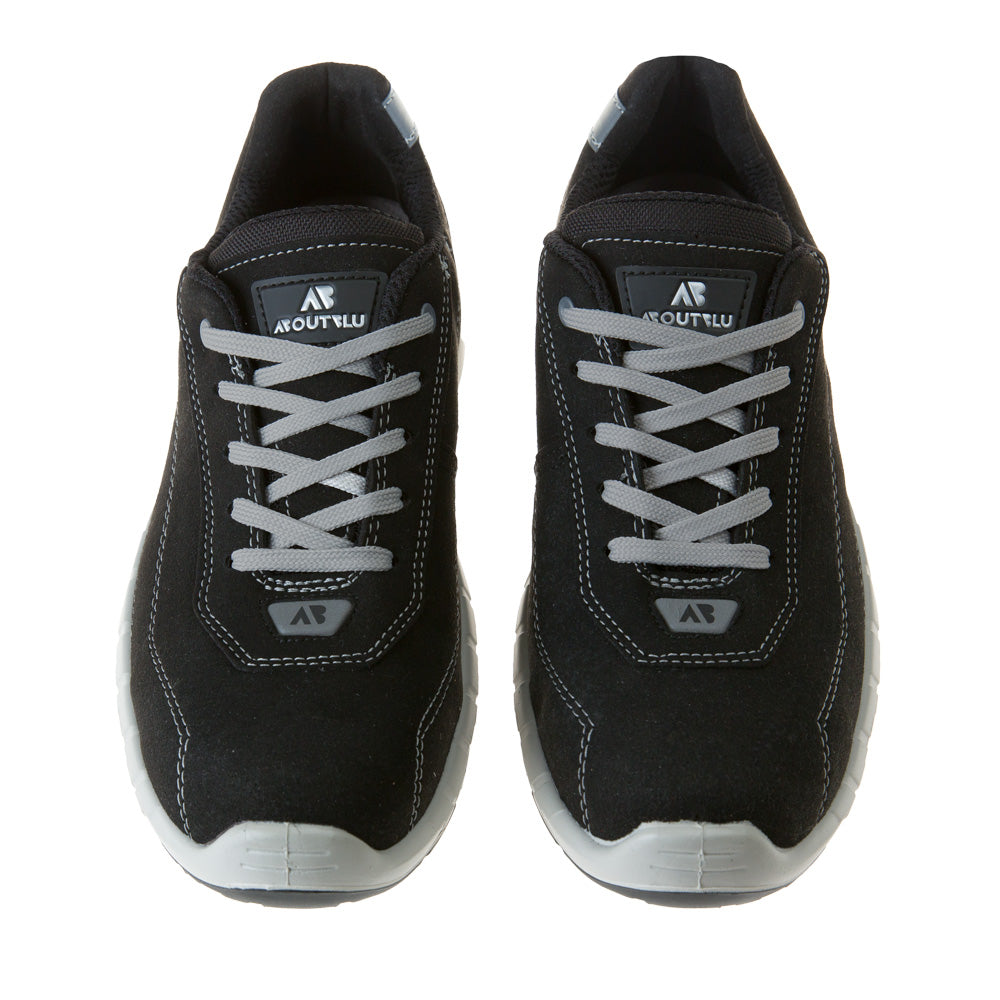
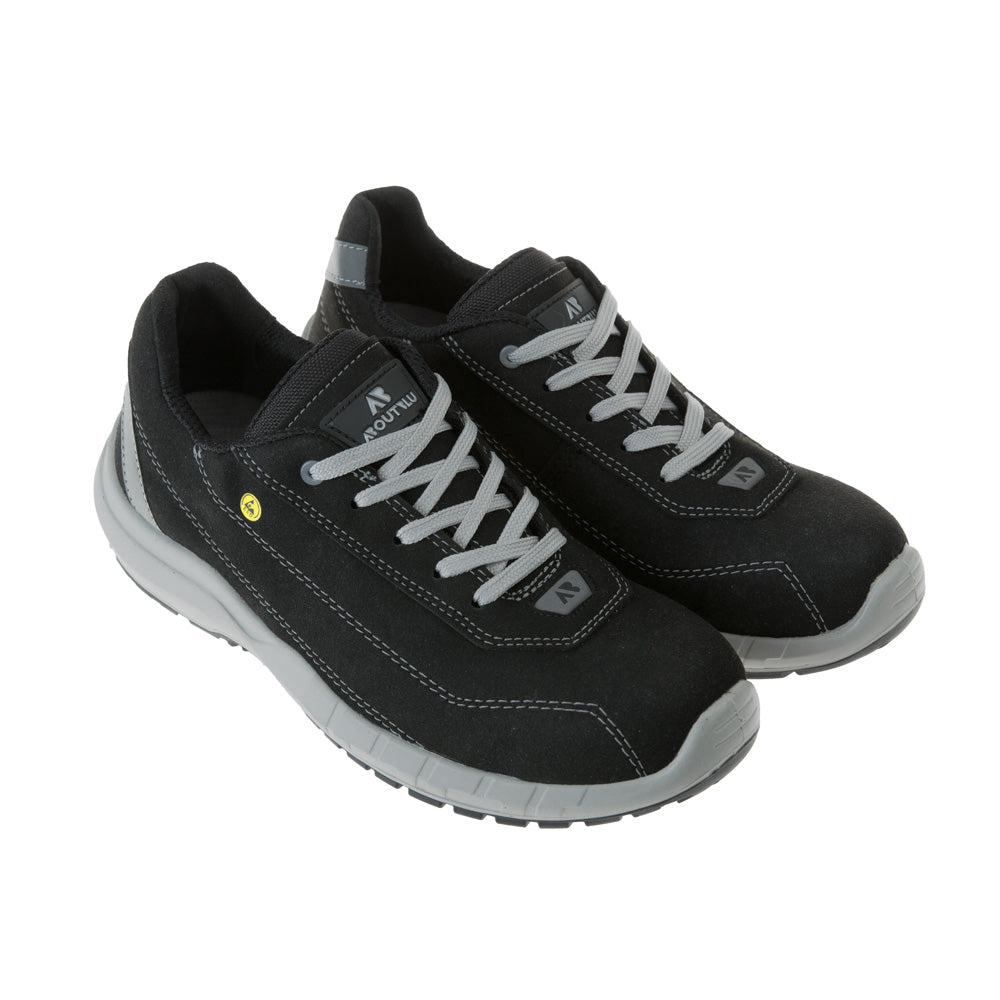
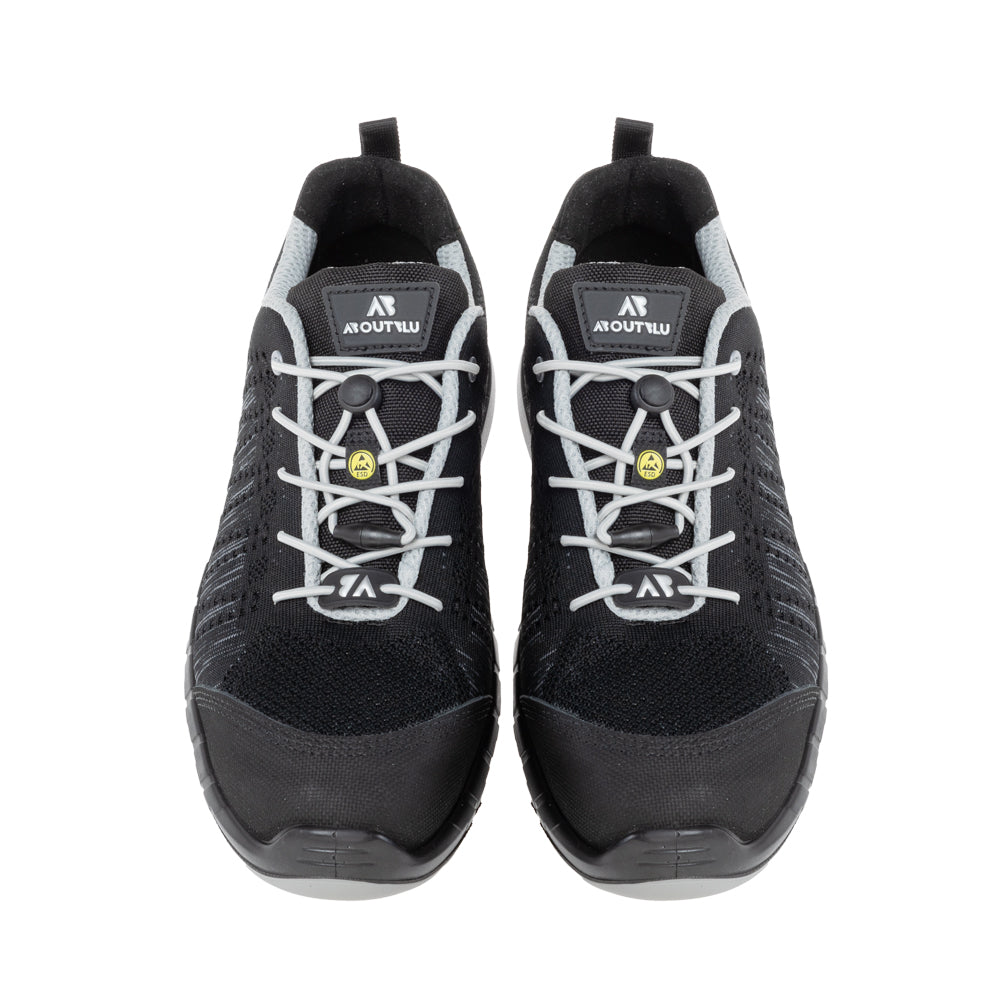
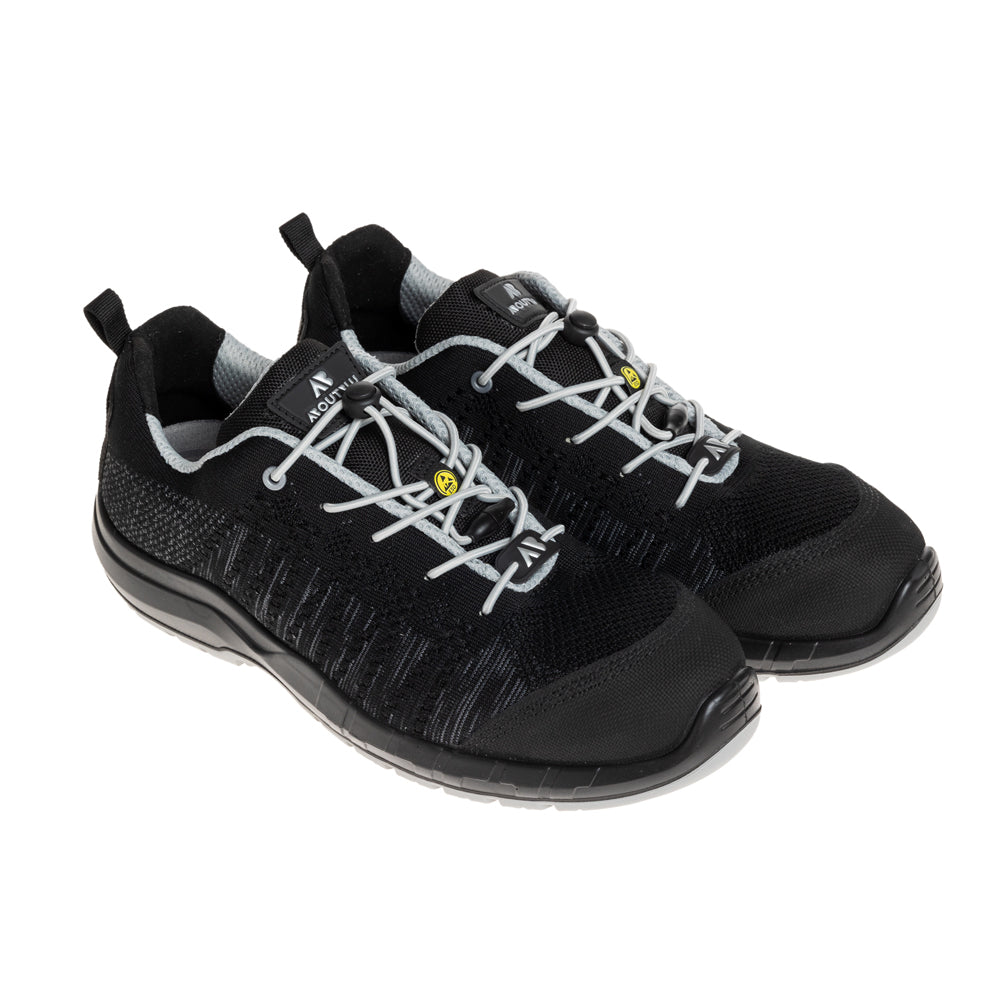
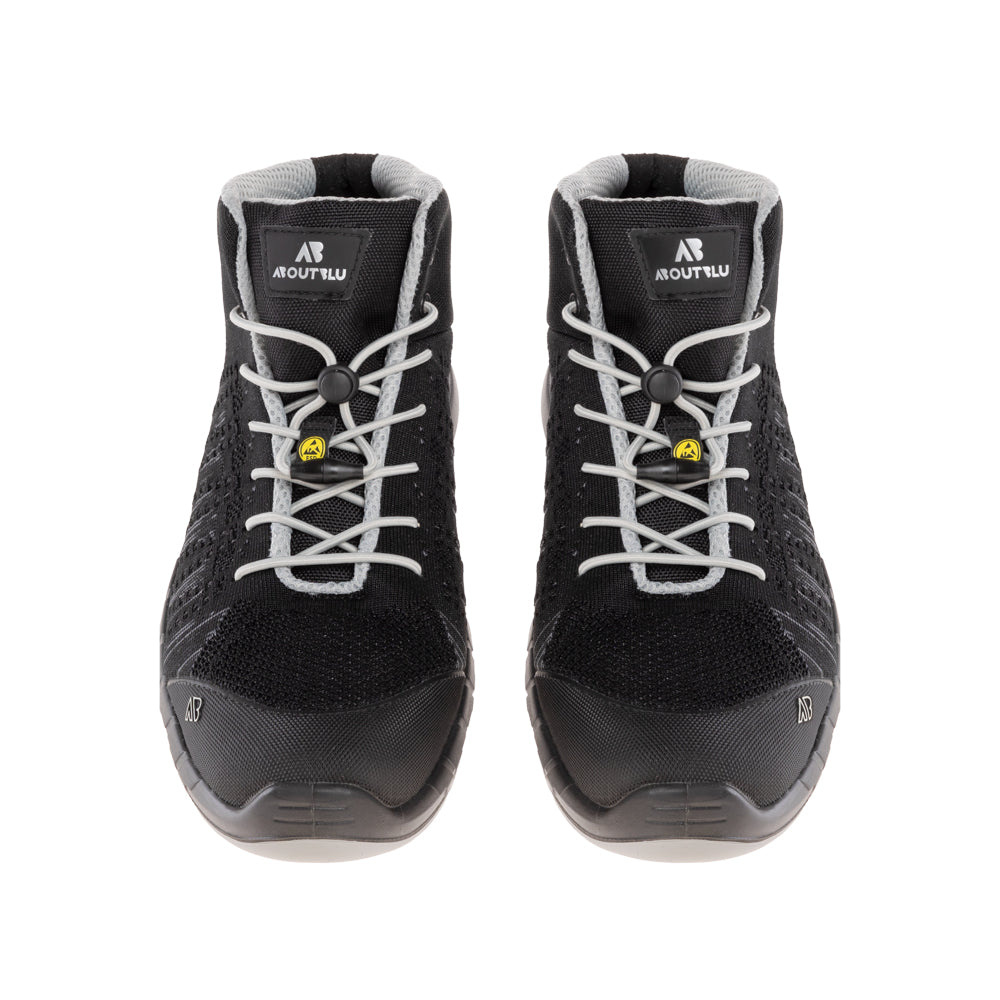
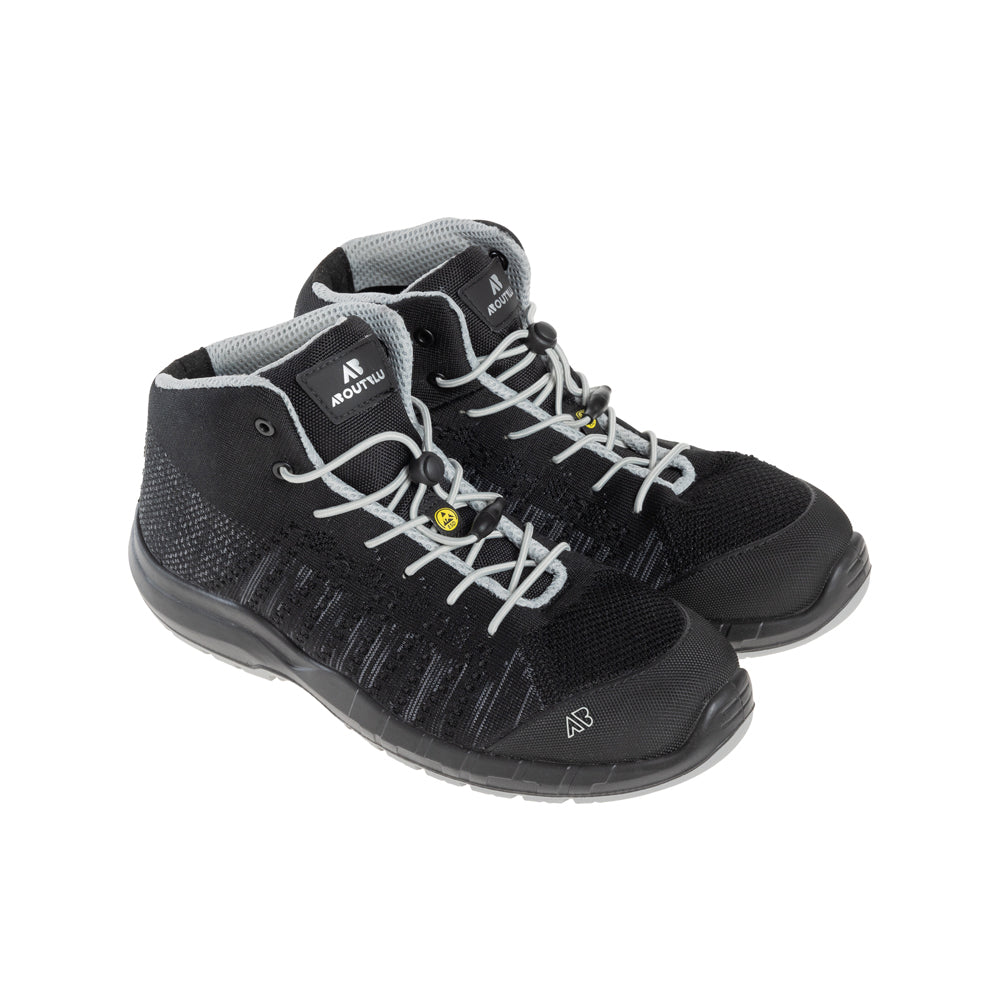
Footwear. Start with the hazards. Crush, puncture, slip, chemical splash, antistatic needs. Then choose a boot or shoe that people can walk in for ten thousand steps without pain. Insoles matter. So does breathability. If you have colleagues who kneel a lot, a shorter collar can be more comfortable and reduce rub on the ankle.
Clothing. Flame resistant for hot work. Hi vis where vehicles operate. Sleeves that do not snag. Poppers that release under strain. Good pockets but not so many that people store half the tool room in them. For cold stores, layer rather than one bulky jacket. People need to move.
The test is on the floor, not in the meeting
I once watched a line leader hand back four pairs of gloves. Too slippery, too hot, no feel, and the pair that felt good snagged on the lip of a bin. We went back to the supplier and tried a different palm finish. That did it. The difference was tiny in the catalogue, big in the hand. Point is, trial with the people who will wear the kit. Ten users, ten days, one simple feedback sheet. You will make better choices and you will get buy in.
While you are at it, see how the PPE interacts with the job. Can the operator access touch screens with gloves. Do ear defenders clash with bump caps. Do safety glasses fit under visors without pressing into the temples. The small incompatibilities are what make PPE end up on foreheads or hanging off necks.
Training that sticks
Make training short, practical, and honest. Show a worn out glove and ask what that tells you about the task. Explain how hearing damage accumulates and that the ringing after a loud day is not normal. Demonstrate how to fit a mask and then ask someone to repeat it back. People remember what they do, not what they hear.
Refreshers do not need to be a production. Five minutes during a toolbox talk can cover one PPE item with one tip. Rotate through the year. Add a quick quiz with a pack of biscuits as a prize. Low effort, high return.
Cleaning, storage, and the quiet enemy called grime
PPE fails early when it is thrown into a locker wet or covered in dust. Put simple cleaning kits near workstations. Microfibre cloths for eyewear. Wipes for ear defenders. A drying rack for gloves at the end of shift. Label storage bins clearly by size and type. The tidier the station, the more likely the right kit gets used again.
Replace consumables on a schedule rather than waiting for complaints. If eyewear fogs or scratches easily, people will quietly stop wearing it. The same for gloves that lose grip after a week. Watch for those soft signals. They are your early warning.
Buying smarter without making it a second job
A good approach is to split your PPE into three categories. Everyday essentials that most people use. Task specific items held at stations. Specialist equipment for short term or rare tasks, issued and returned.
For everyday essentials, standardise on a small set of models in a full size range. Use simple colour coded bins or labels so grab and go is genuinely that. For task specific, store items at the point of use with a laminated card showing when to use them. For specialist kit, keep a sign out sheet and make one person responsible for checking condition and rotating parts.
When it is time to buy, sources that publish clear standards and testing methods are your friend. You can cross check claims against the standards listed on the product page. The HSE publishes useful summaries of relevant standards and test methods. It saves time and it keeps you honest if anyone asks why you chose model A over model B.
If you are evaluating options right now and want quick wins, these three are reliable picks for many plants and warehouses:
-
Tough Knit Grip Glove for general handling and assembly
-
Stanley Padded Ear Defenders for stations with steady noise exposure
-
Blackrock Safety Arm Adjust Spectacle for day long comfort and clear vision
They are not the only choices of course, but they tick the boxes most teams care about. Comfort, adjustability, and durability that stands up to daily use.
Documentation without the headache
You do not need a novel. You do need traceability. Keep a one page matrix that maps tasks to hazards to PPE. Add brief notes on why you chose each item and the standard it meets. Attach fit test records where relevant. Note who has been trained and when. That is enough to show a thoughtful process during an audit and it keeps your own thinking clear.
If you change a process, update the matrix and walk the job again. New machine guards can reduce the need for certain PPE. Fresh cleaning chemicals can alter glove choice. The shop floor moves. Your PPE picture should move with it.
Common mistakes worth dodging
Buying once and forgetting. PPE is a living system and wear patterns tell you what to adjust.
One size fits all thinking. It never does. Stock sizes properly and include options that work with religious headwear and hair styles.
Chasing the lowest price. Total cost is comfort times wear time times replacement cycle. Cheap gear that nobody wears is the most expensive mistake you can make.
Introducing too many models. Choice helps but clutter confuses. Curate.
Ignoring the maintenance side. Dirty PPE becomes unused PPE. Build cleaning into the day.
A quick, checklist
When you are next at the station with a line leader, run this in your head.
Does this job still need PPE once engineering controls are in place.
If yes, which risks remain.
Do we have the right protection for those specific risks.
Does it fit the person well today, not just in theory.
Can they do the job without constant adjustment or fogging or slipping.
Is the kit easy to reach, clean, and replace.
Do they know why this matters.
If you can say yes to those, you are most of the way there.